


From a banned rave to a family ranch
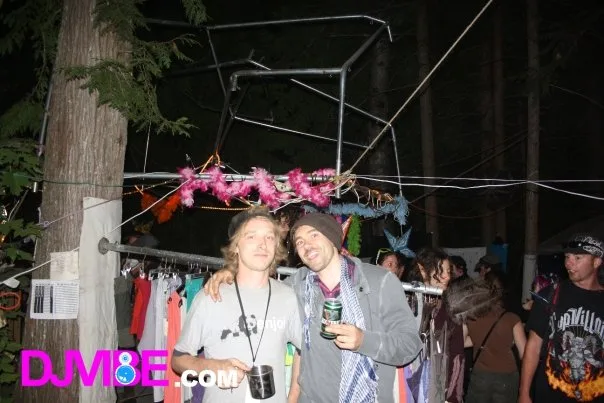
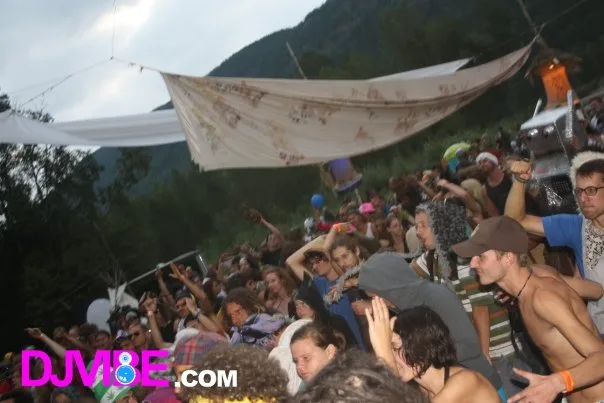
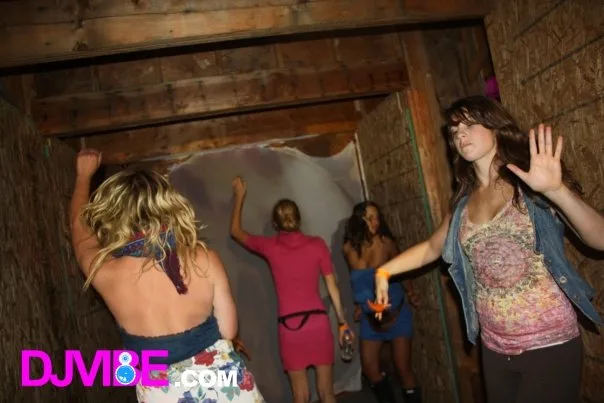
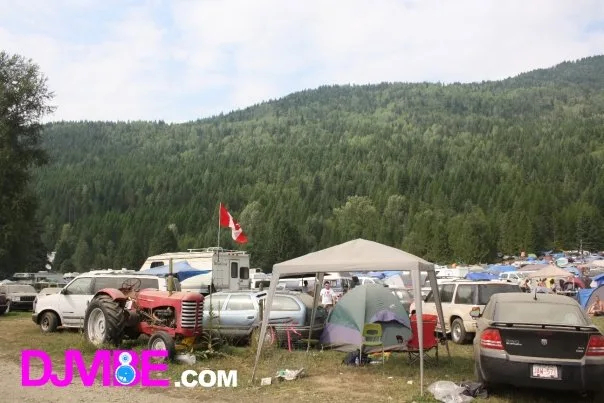
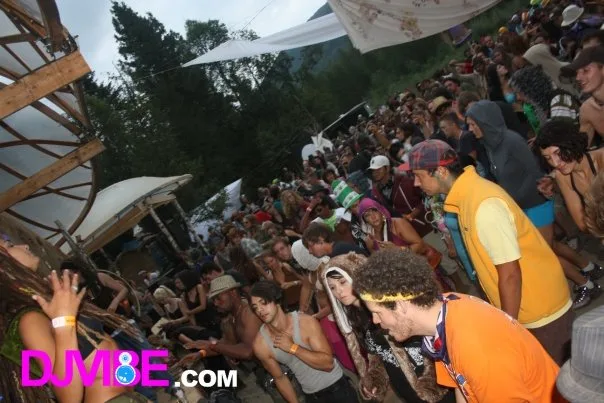
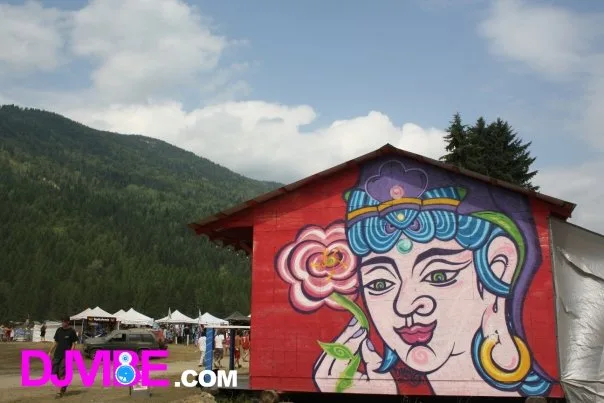
Founder Jimmy Bundschuh grew up in the techno and trance scene around Nelson, British Columbia, throwing parties that grew from around 200 people to more than 1,000 before the city banned raves within its limits. The ban pushed the party out of town and onto his parents' 500-acre cattle ranch at Salmo River Ranch, where the first Shambhala ran on a Labour Day weekend in 1998: about 500 people, local Kootenay DJs, and by Jimmy's own account zero budget.
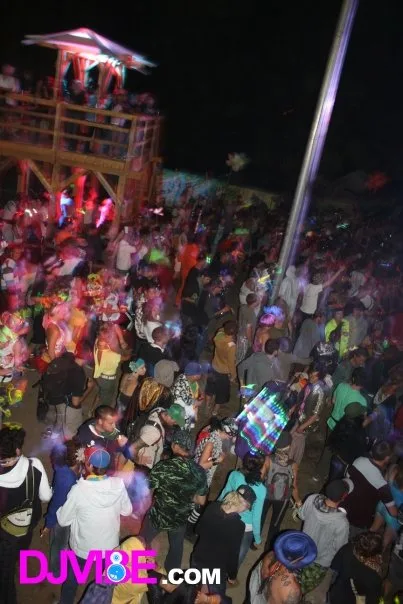
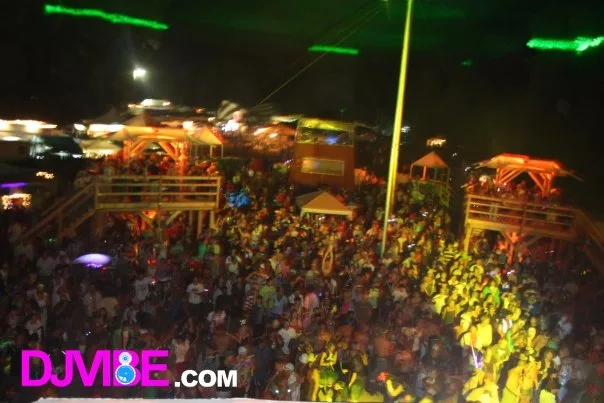
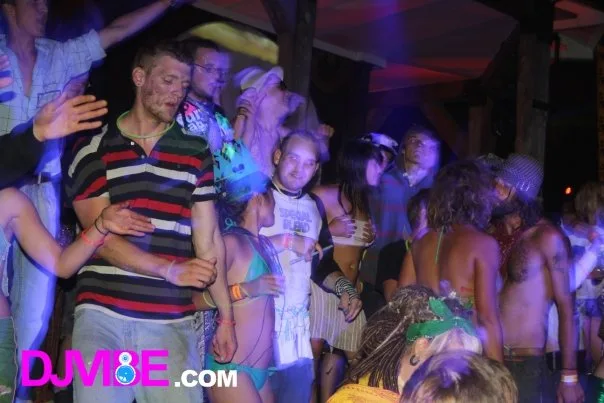
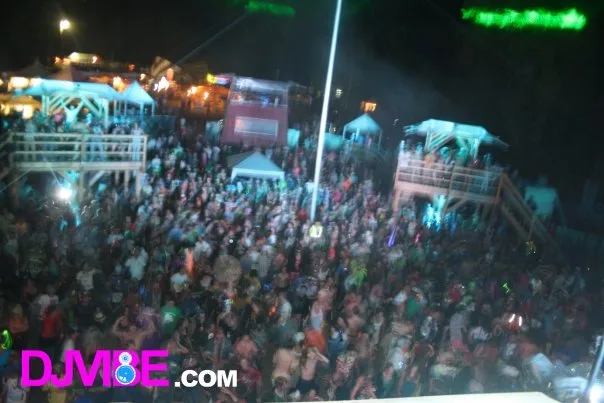
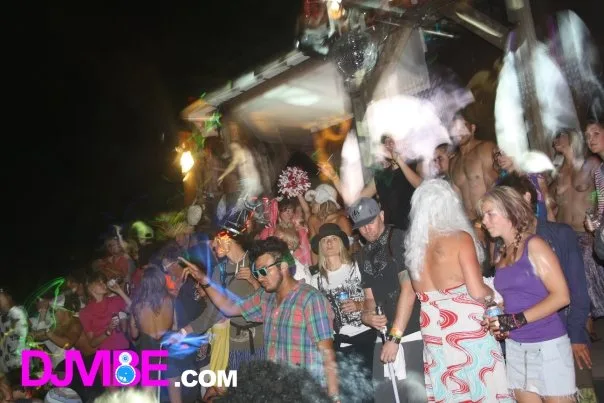
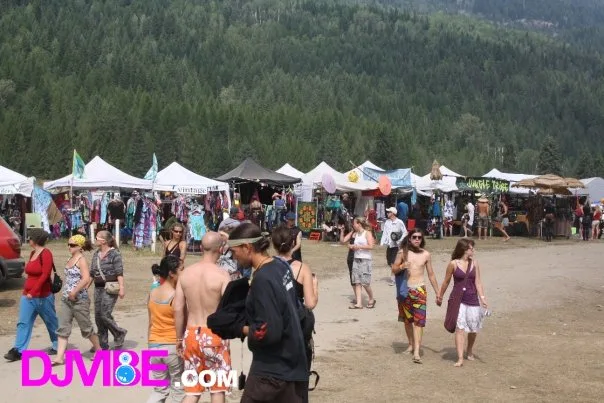
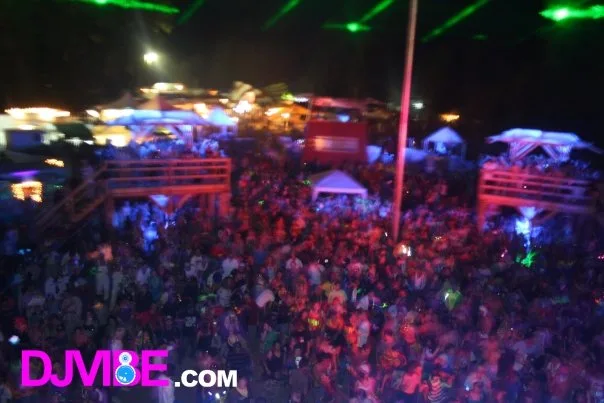
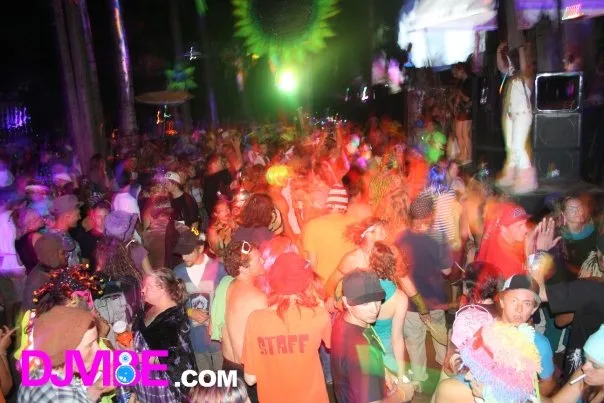
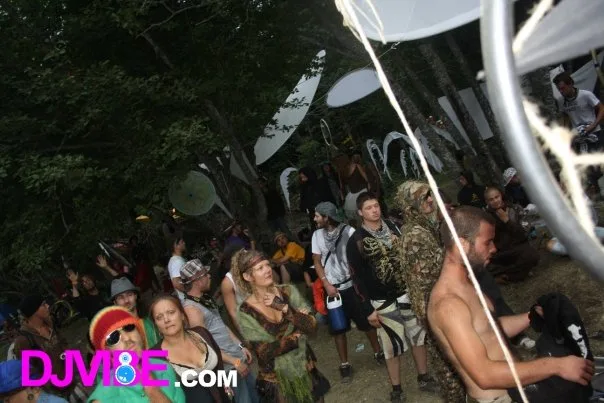
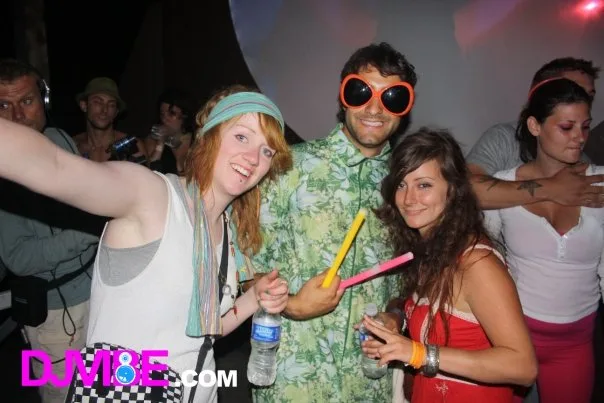
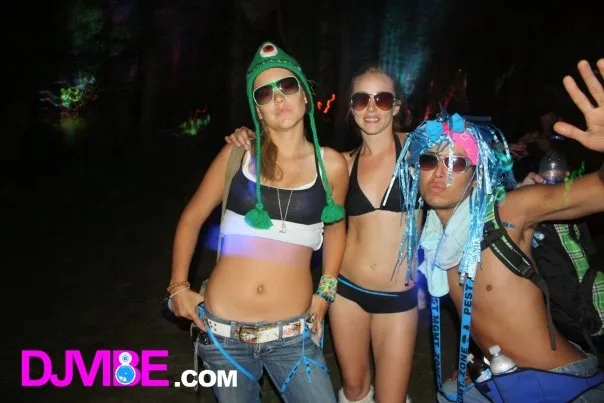
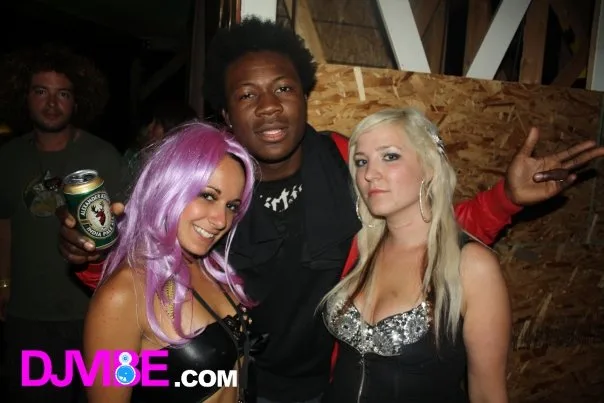
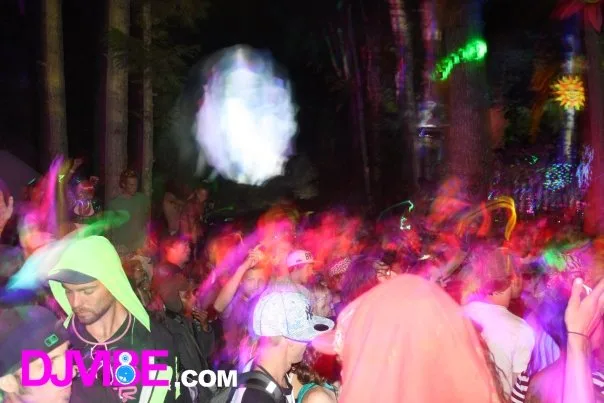
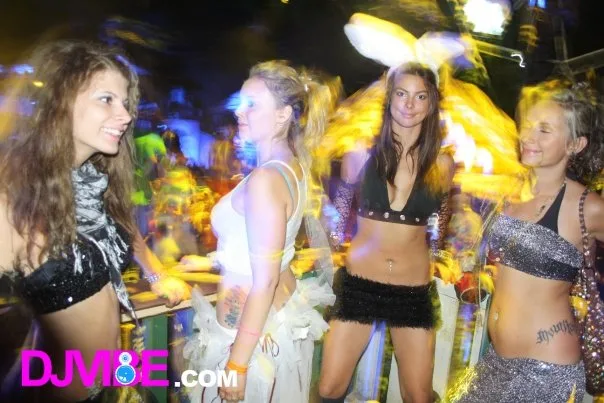
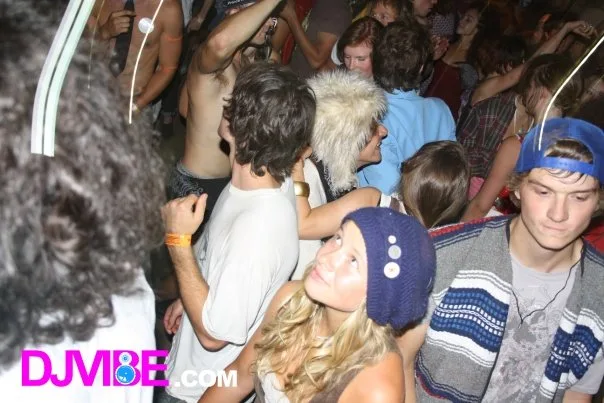
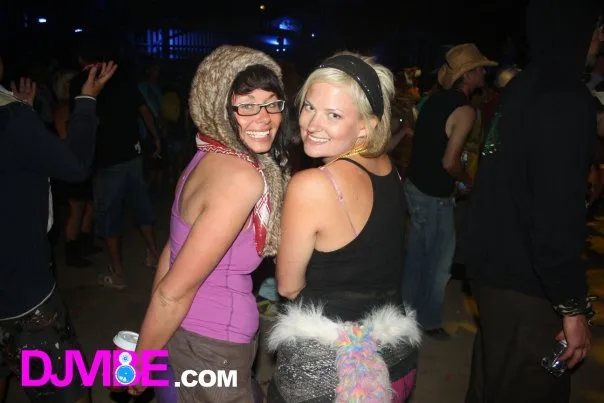
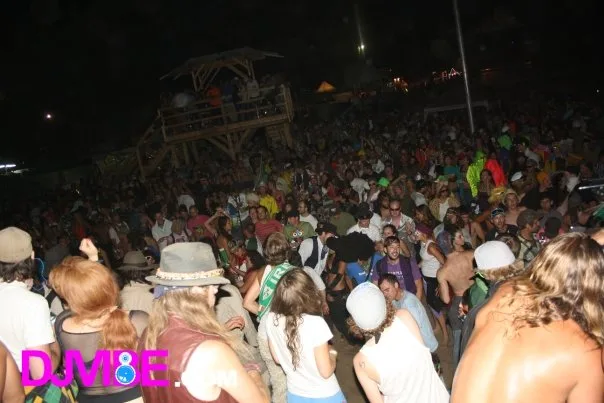
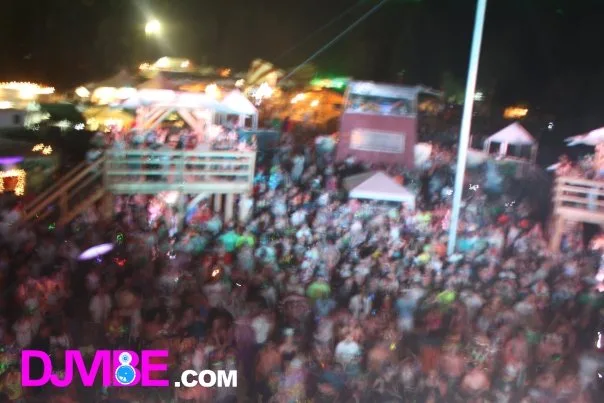
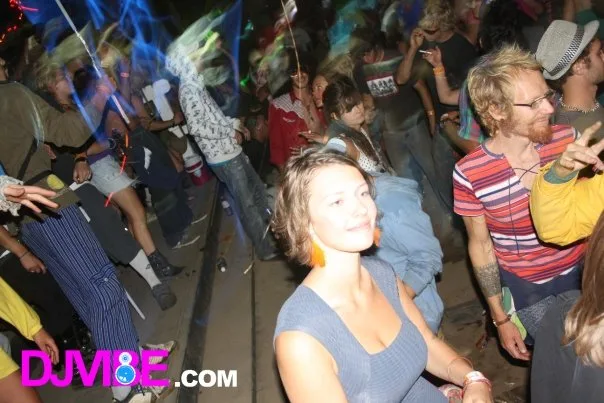
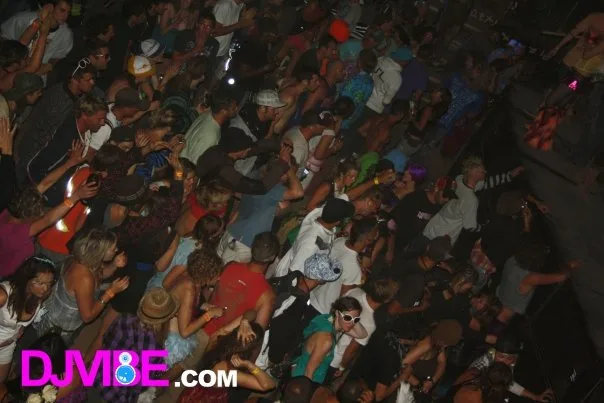
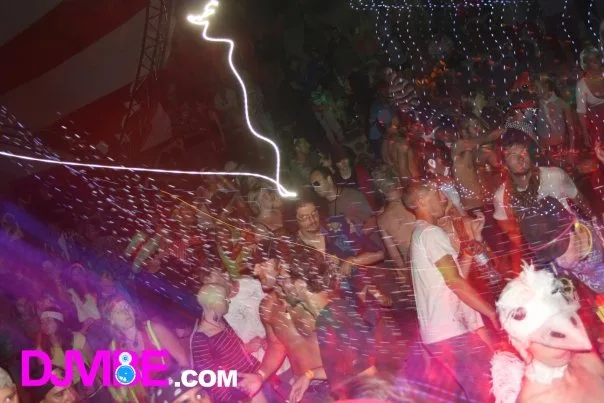
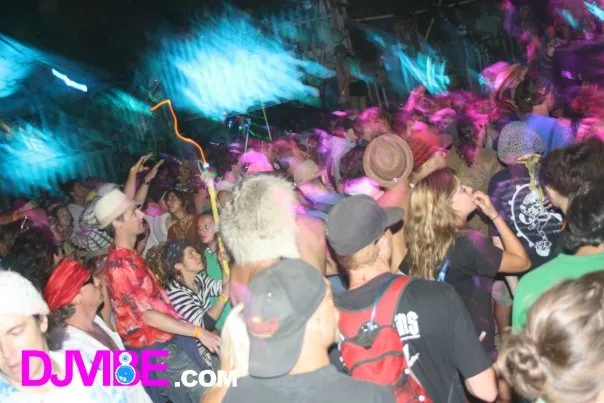
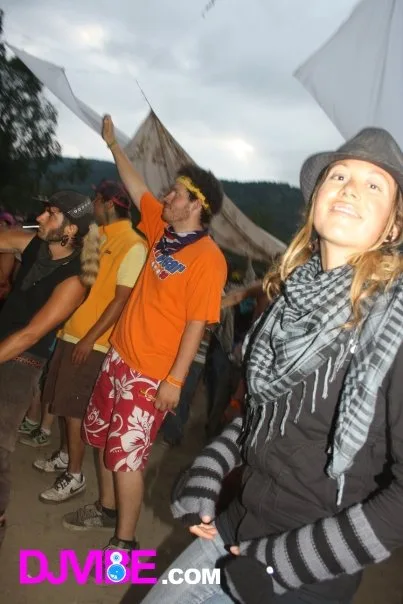
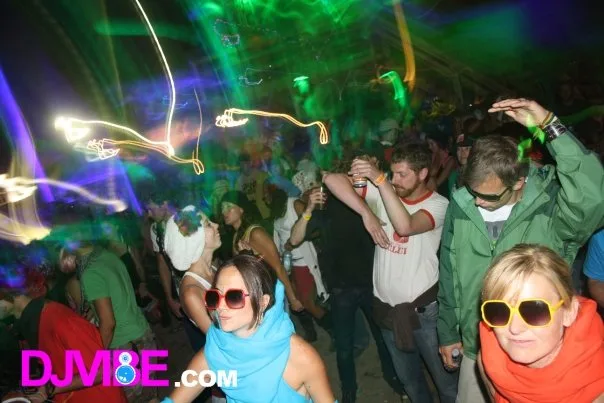
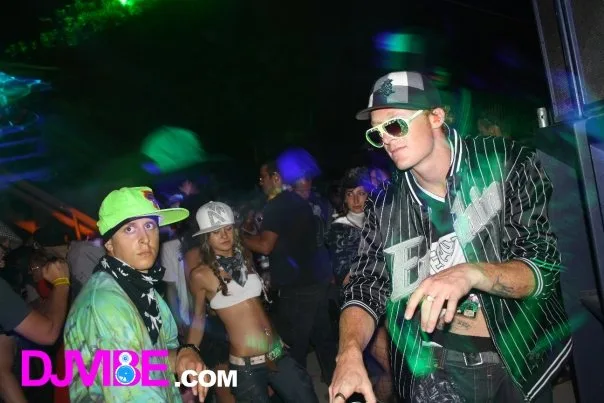
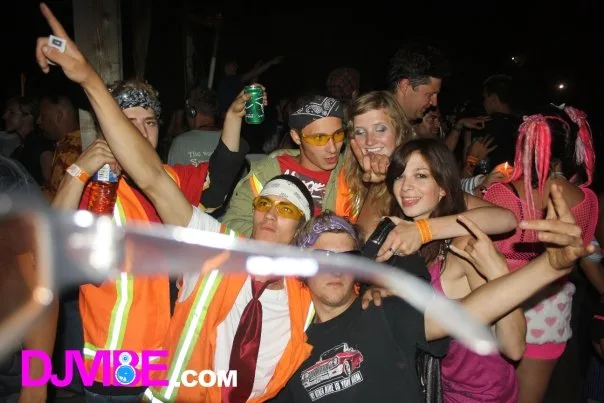
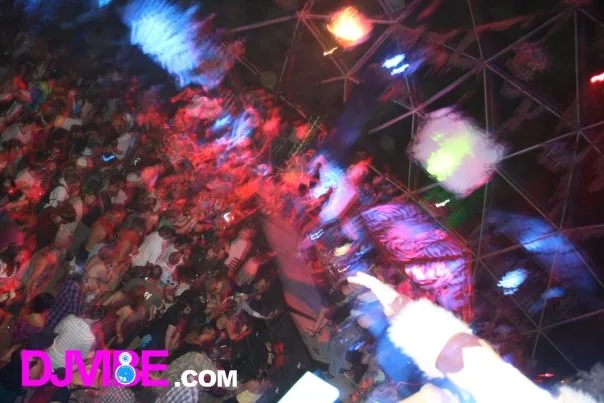
That locals-only gathering is now one of Canada's biggest electronic festivals, drawing roughly 23,500 guests, crew, and artists who call themselves the Farmily. The growth stayed grassroots. Shambhala has never taken corporate sponsorship, keeping the event a reflection of its own dance floor rather than a brand's.
Six stages, six different countries of sound
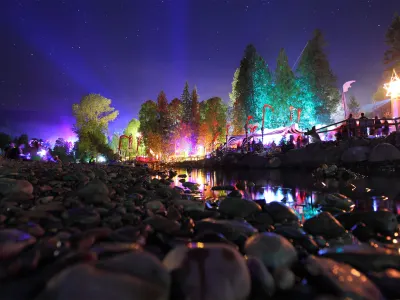
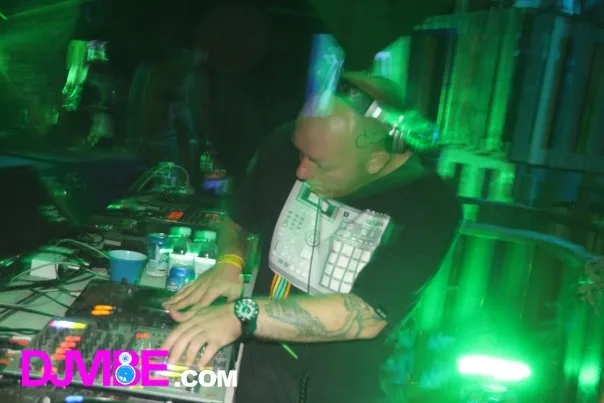
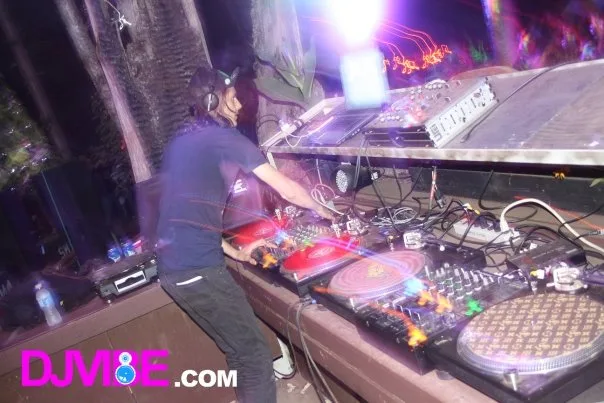
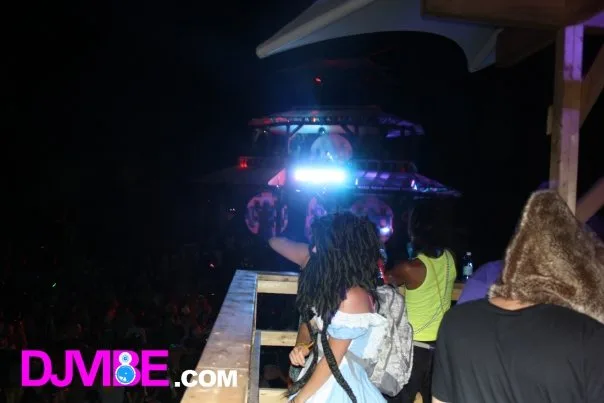
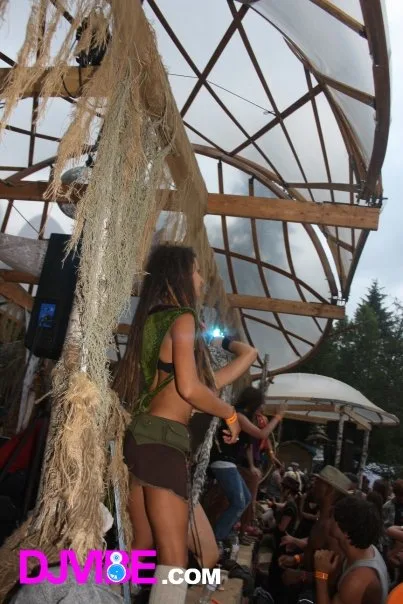
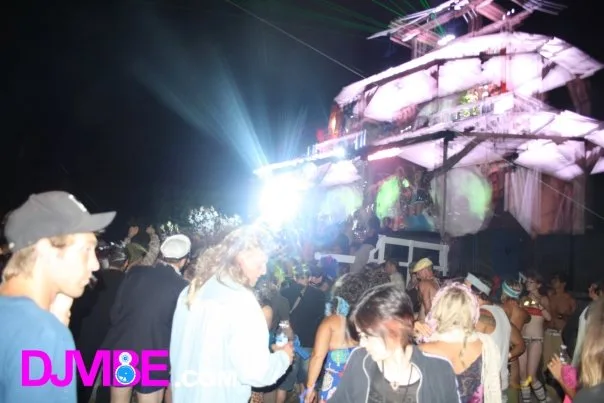
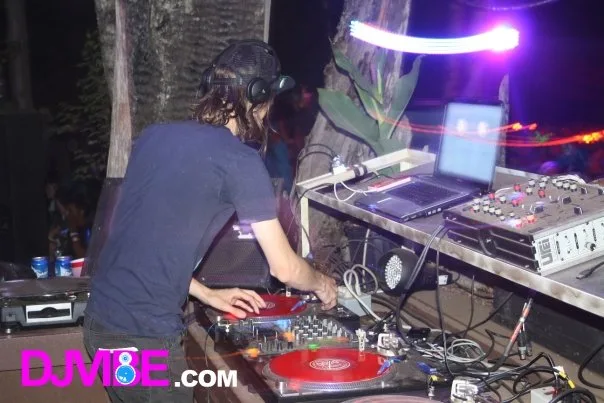
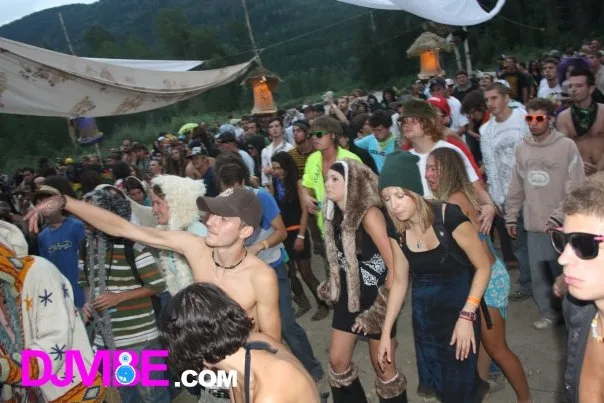
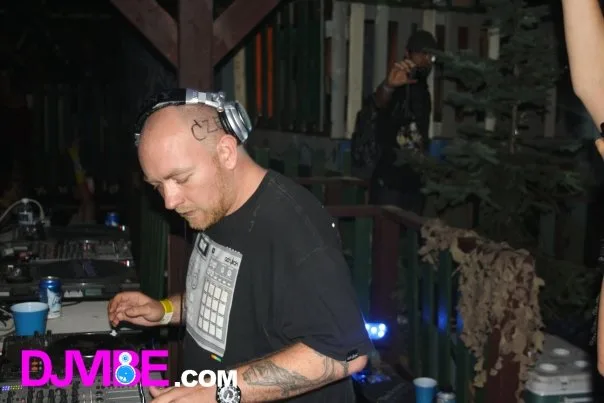
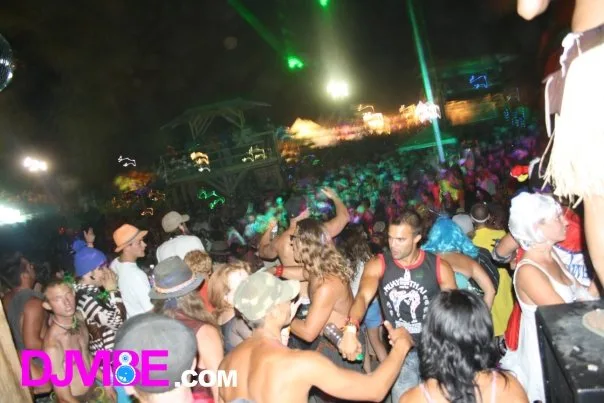
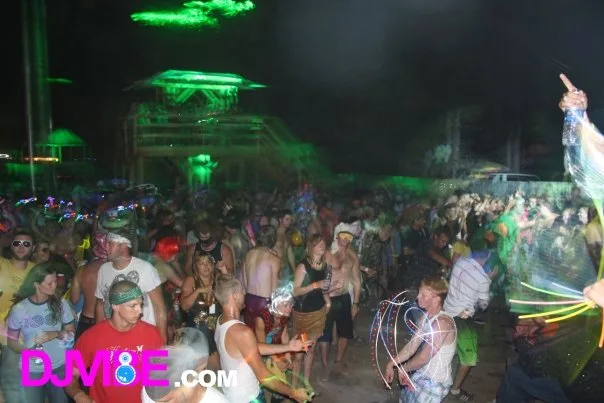
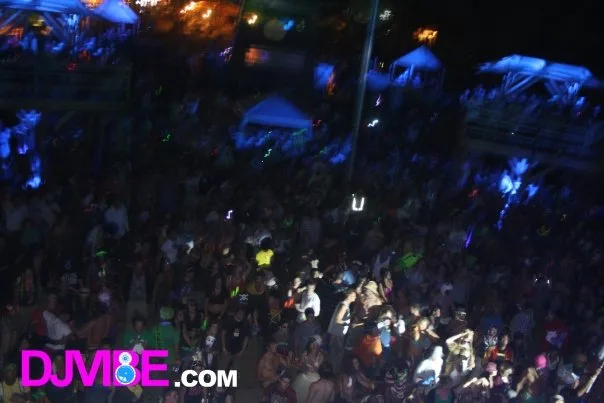
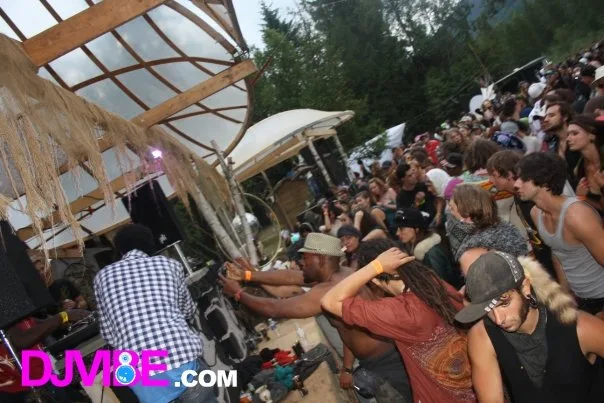
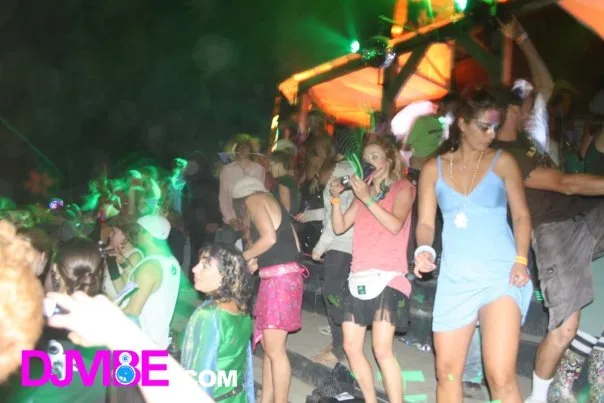
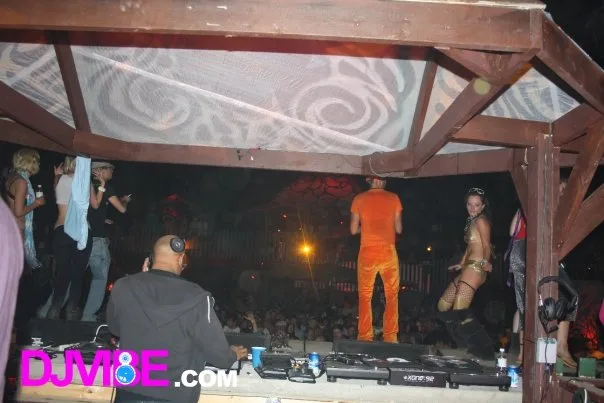
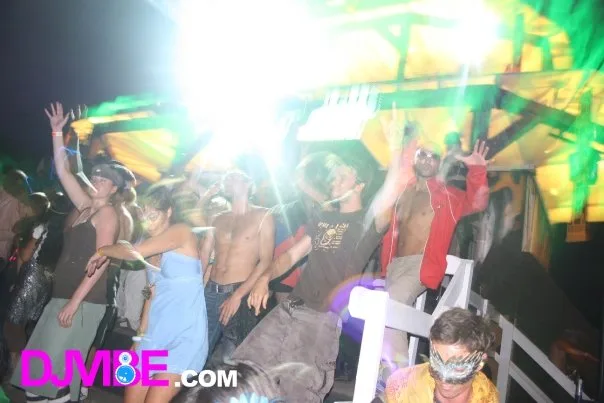
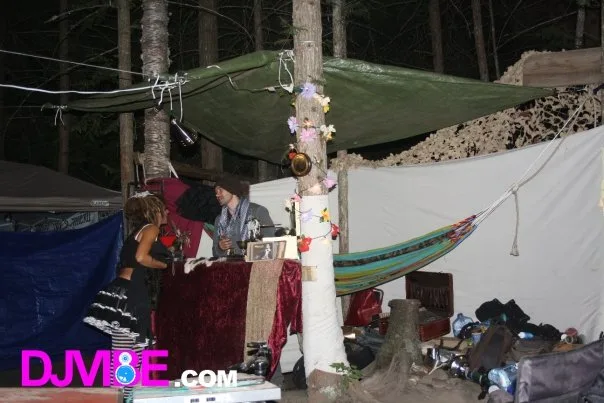
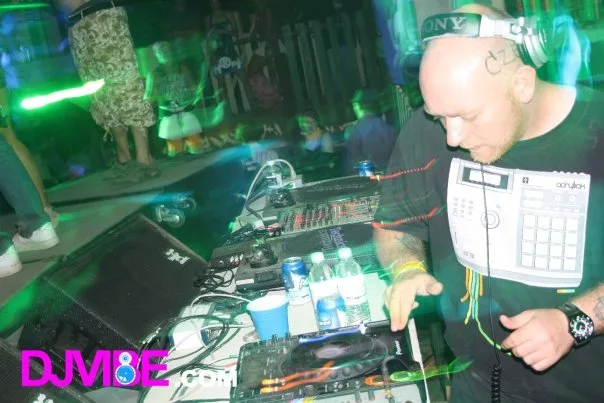
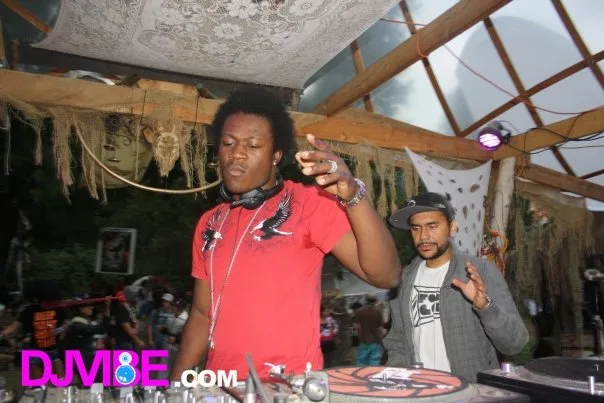
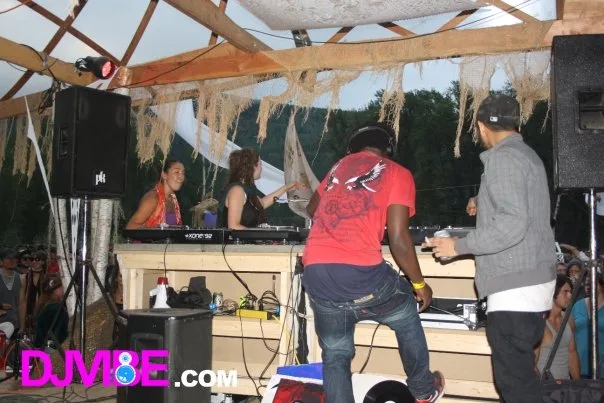
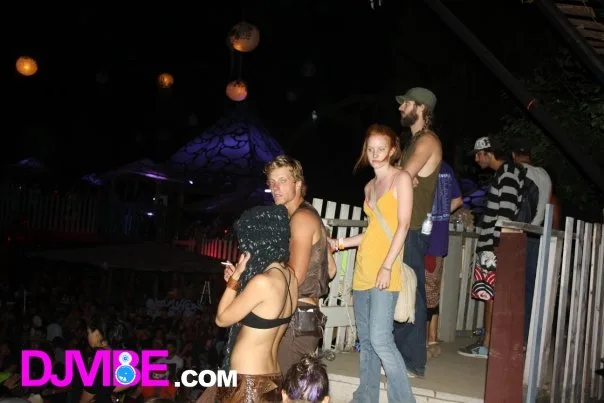
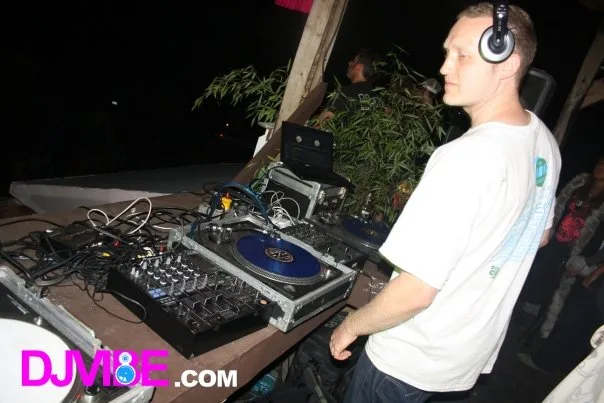
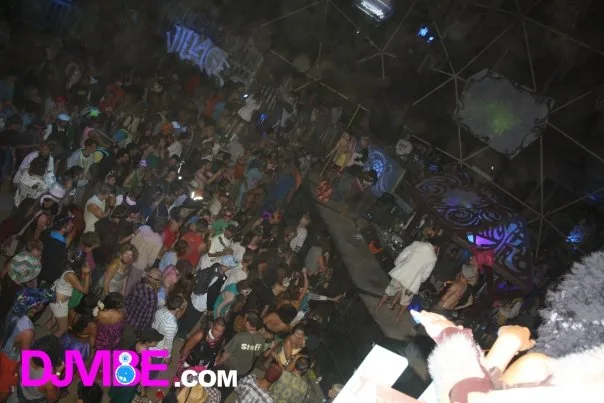
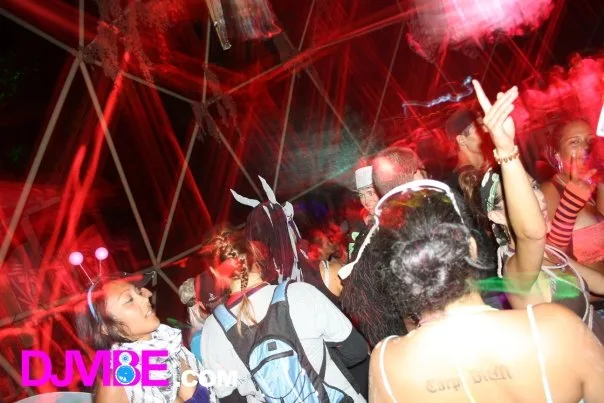
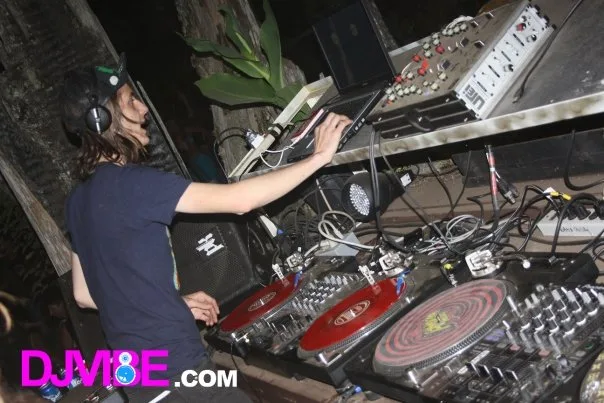
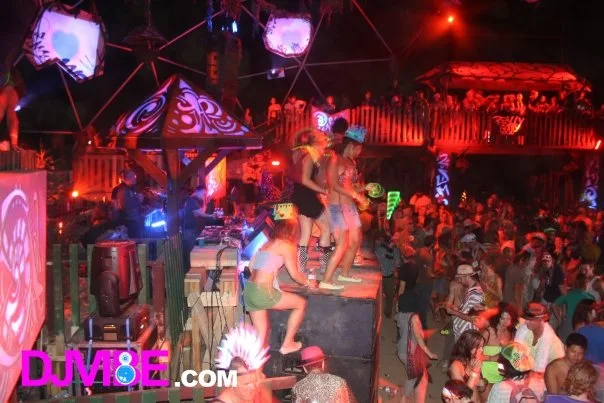
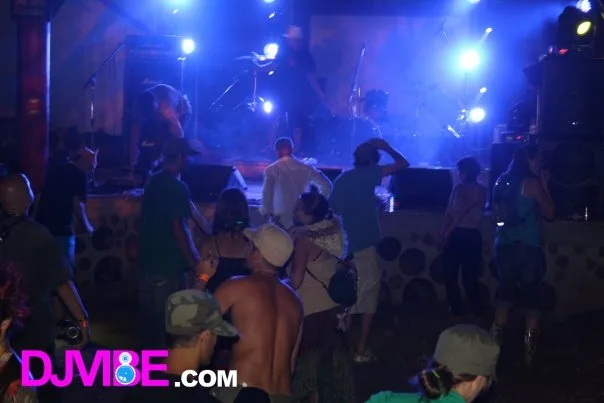
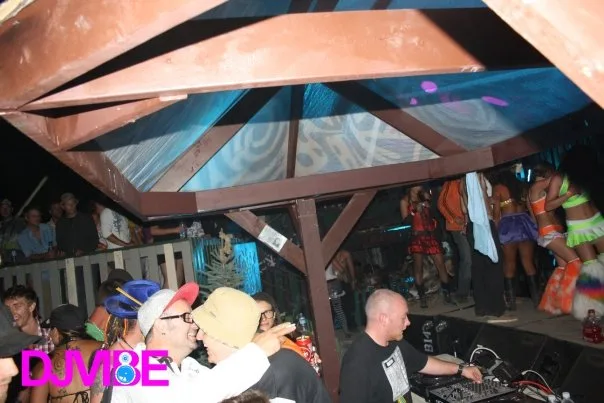
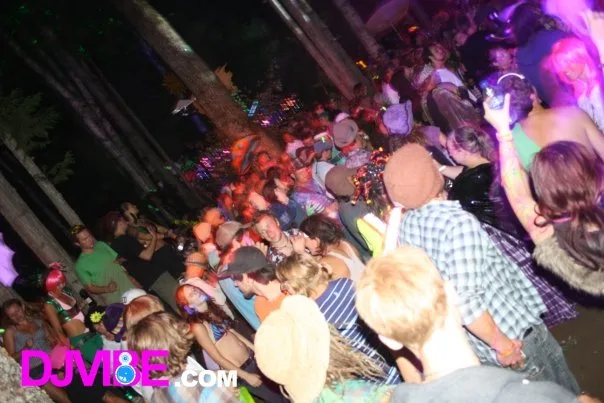
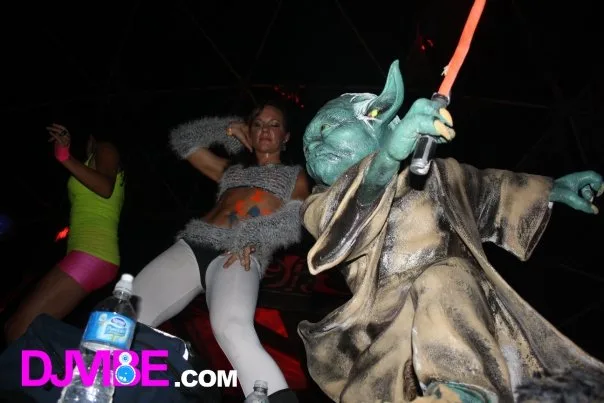
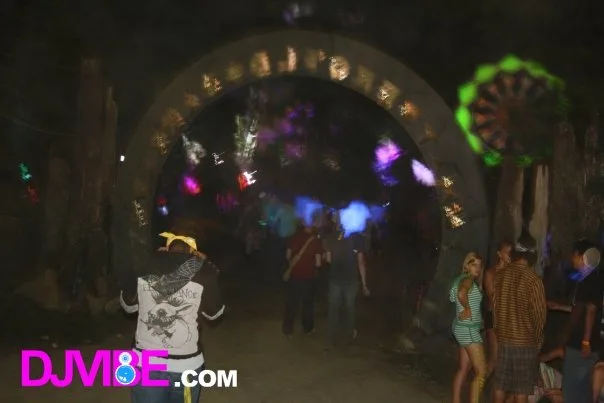
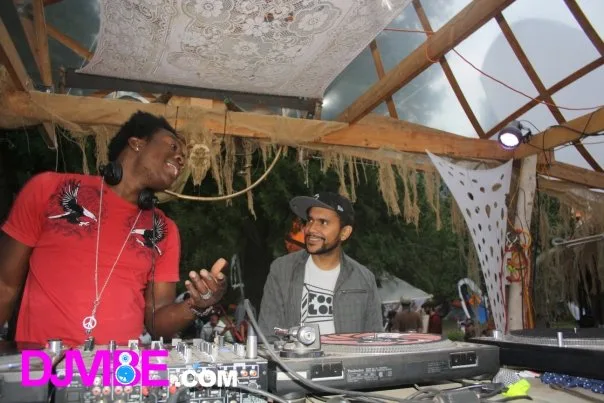
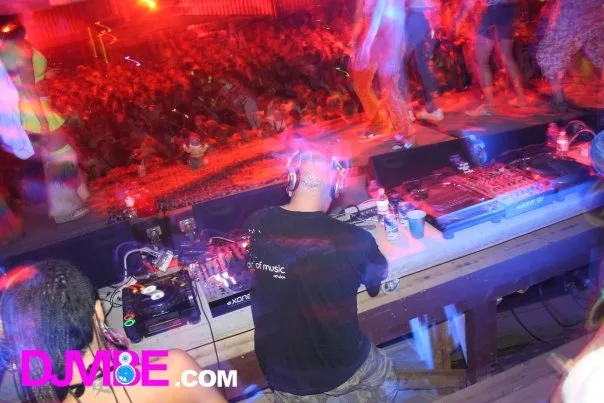
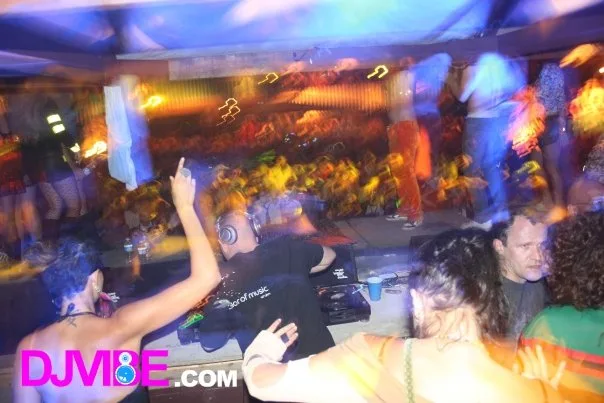
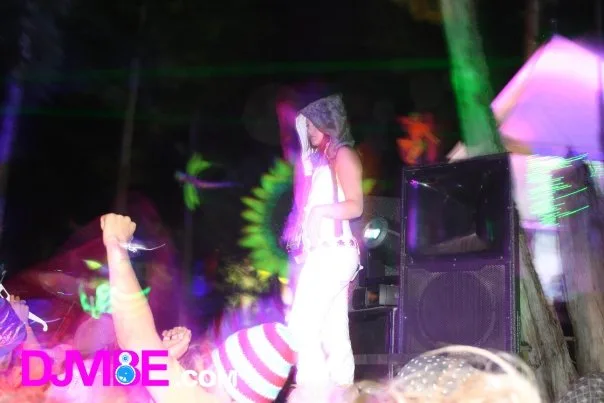
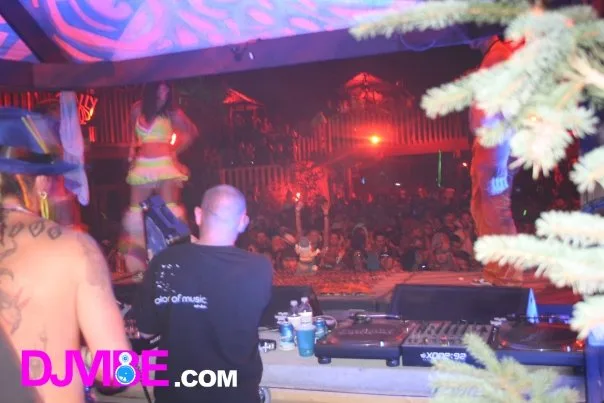
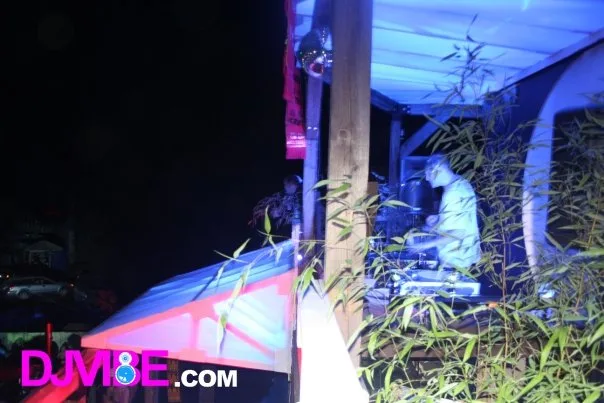
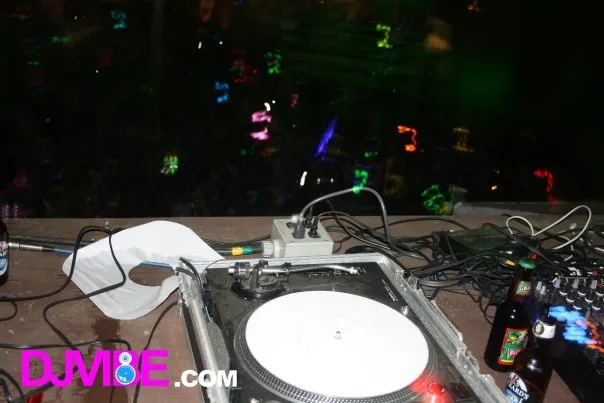
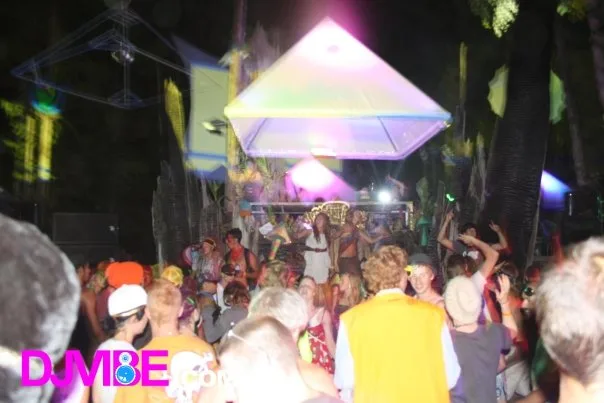
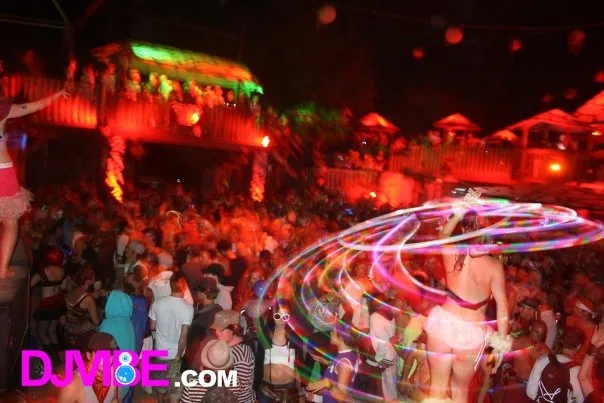
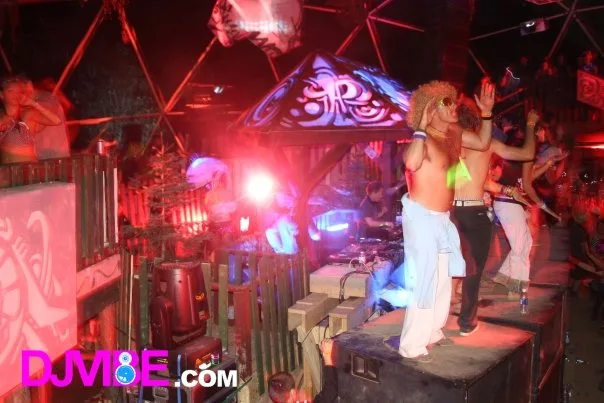
The Salmo River Ranch splits into six stages, each with its own sound system and its own crowd. The AMP anchors the festival's downtown core with a PK Sound rig and an all-styles booking policy. Fractal Forest bills itself as the funkiest show on Earth, a bass-and-glitch trip through the trees. The Grove sits under cedar cover with a Funktion-One system, an art gallery, and a tea house built into the forest floor.
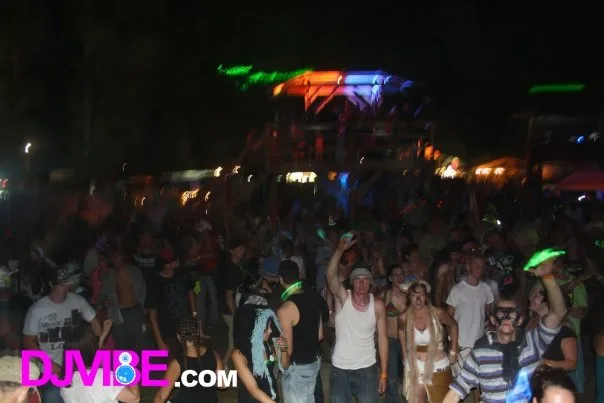
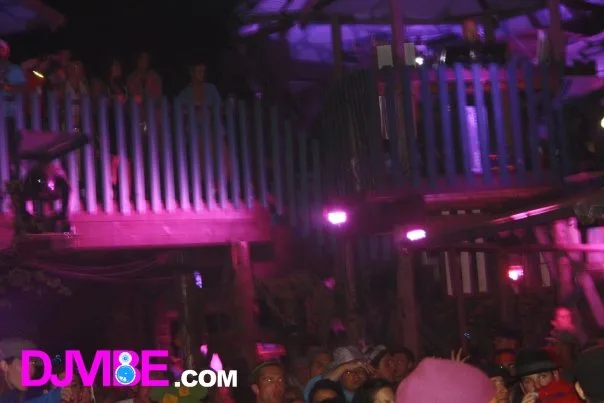
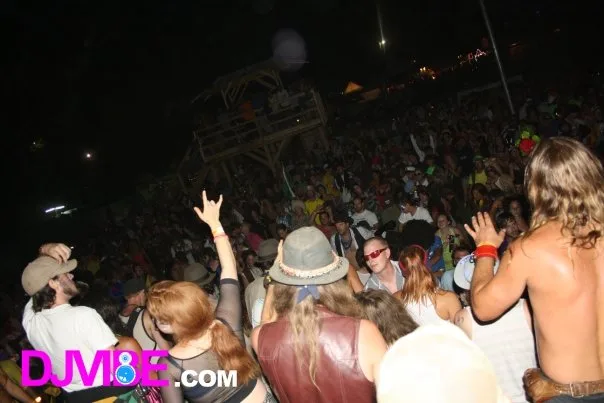
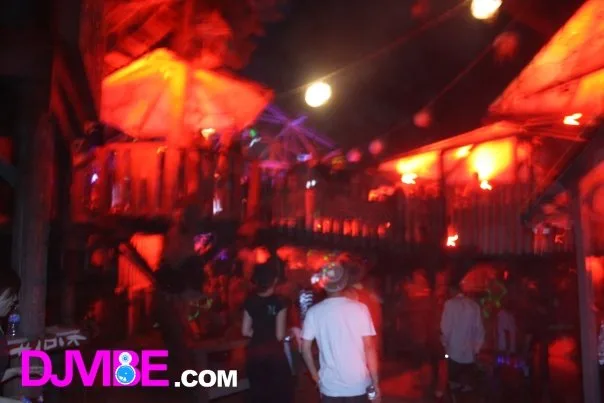
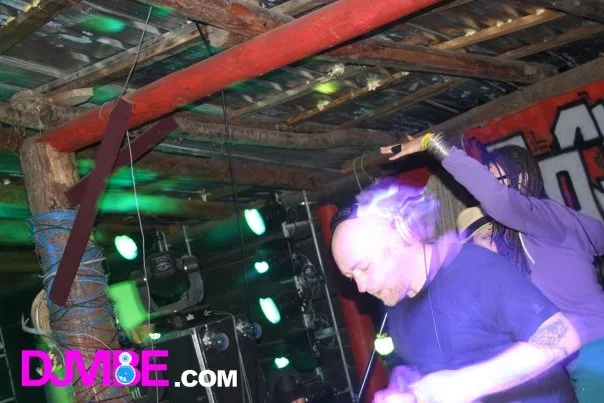
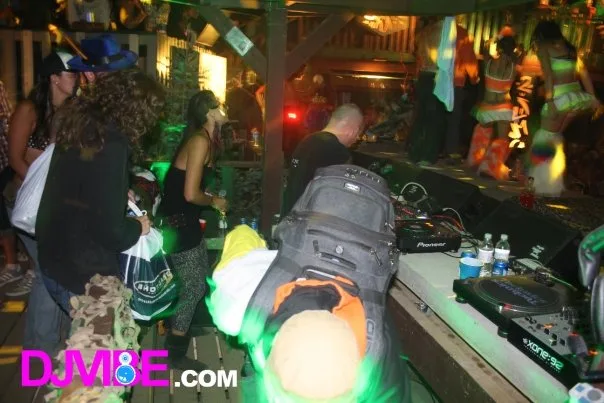
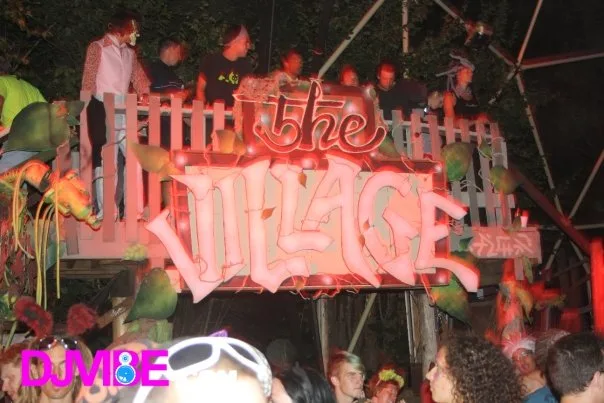
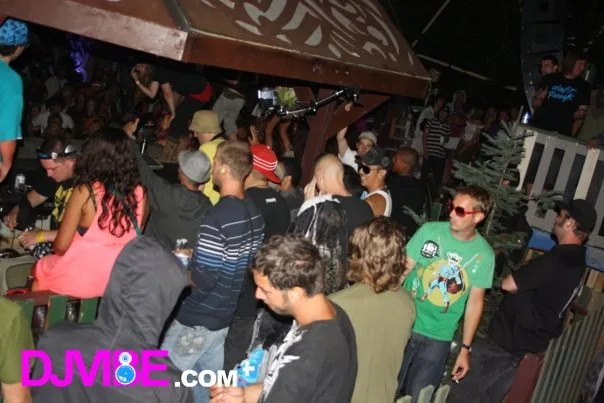
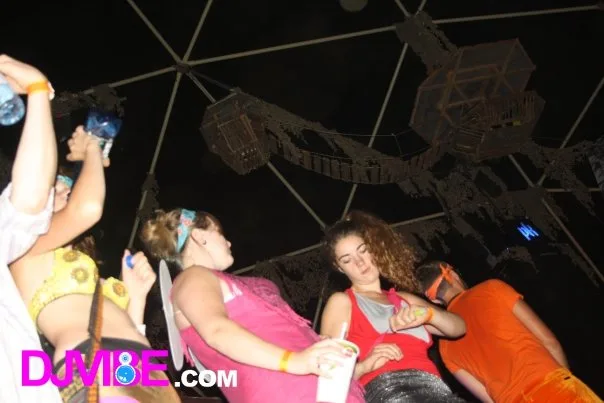
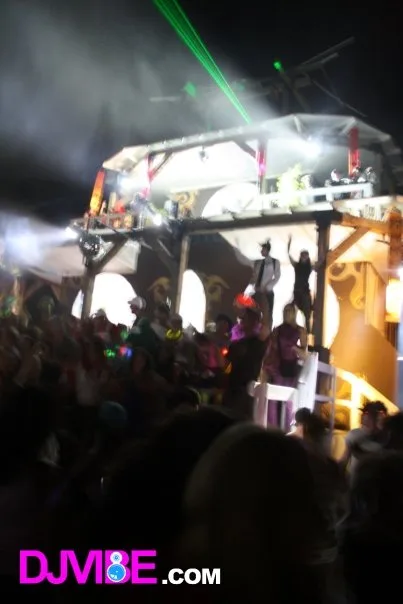
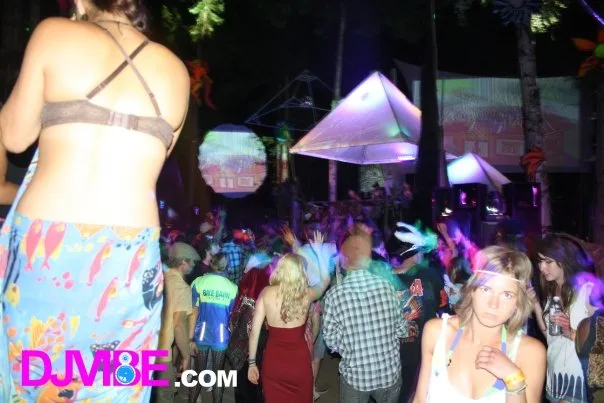
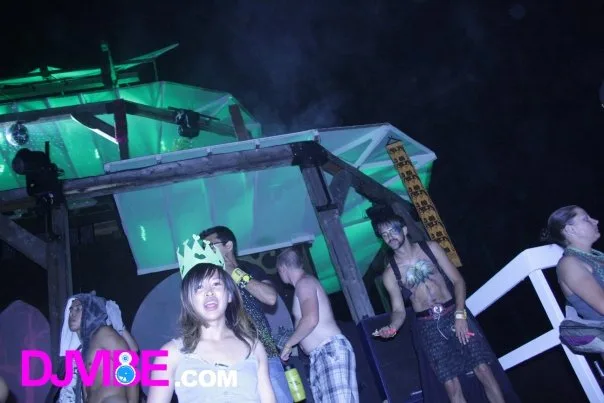
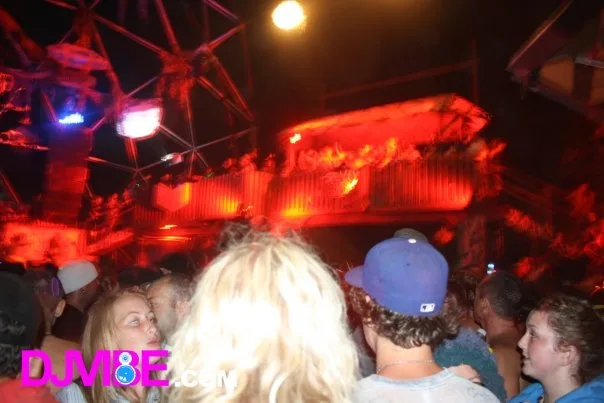
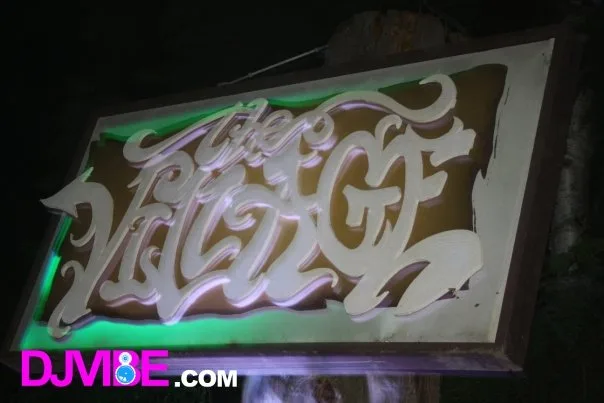
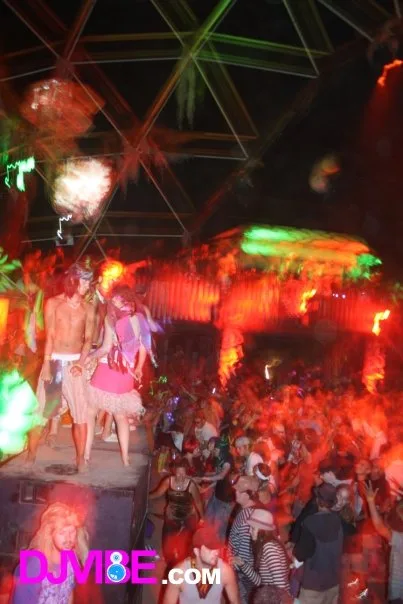
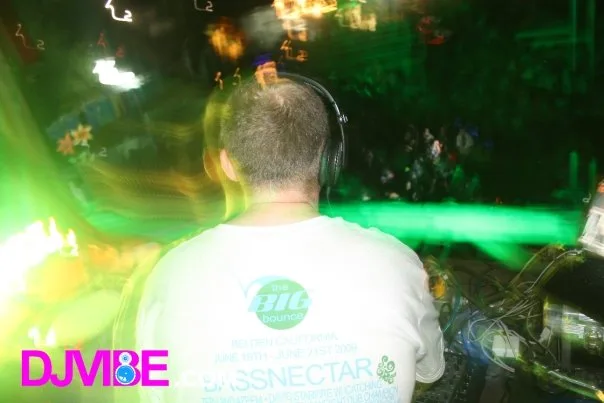
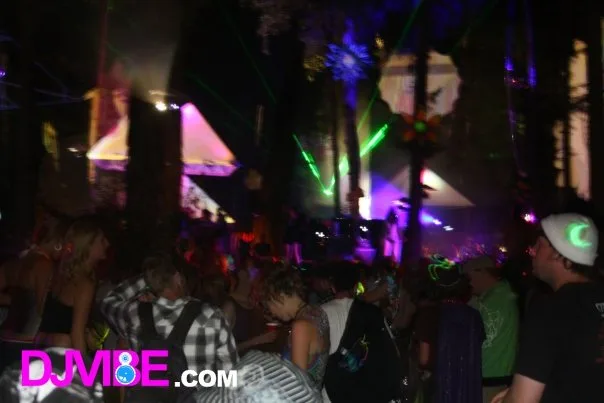
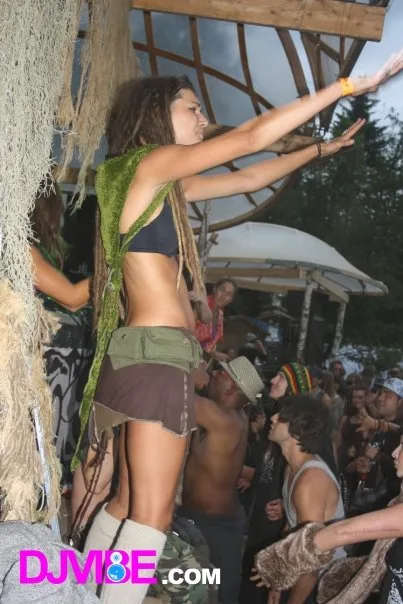
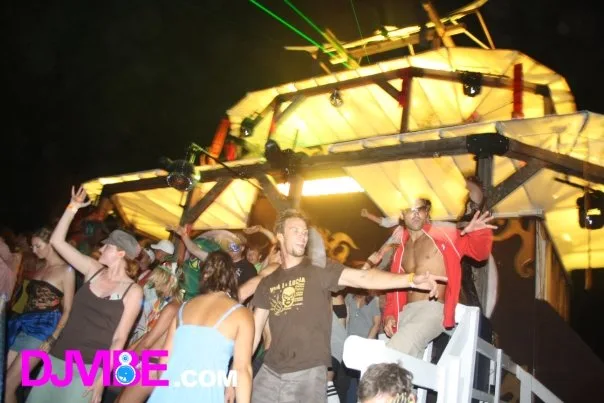
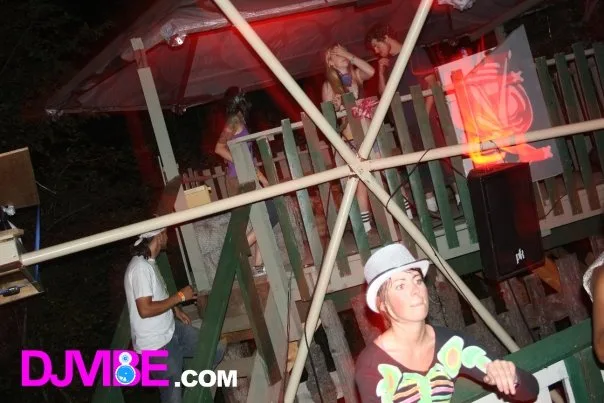
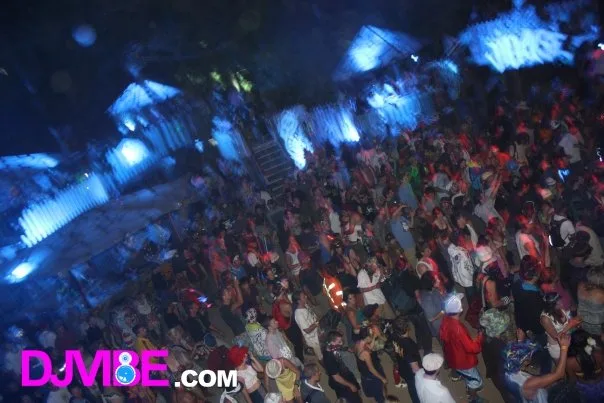
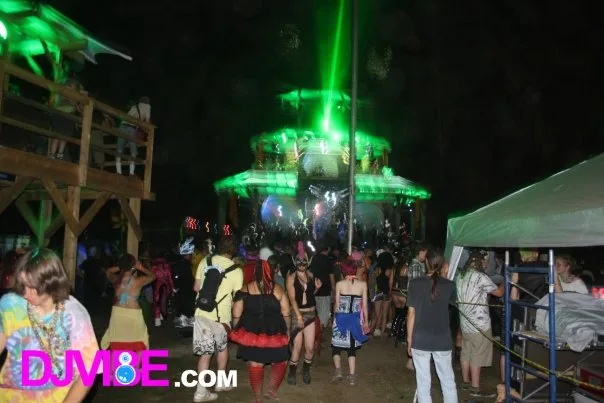
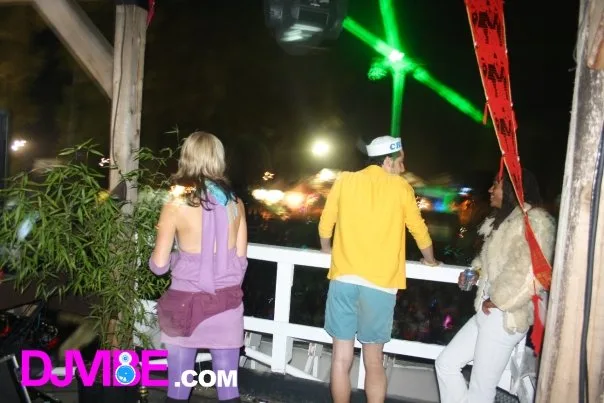
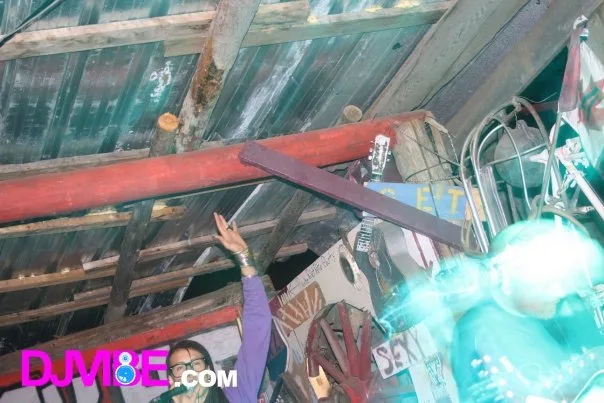
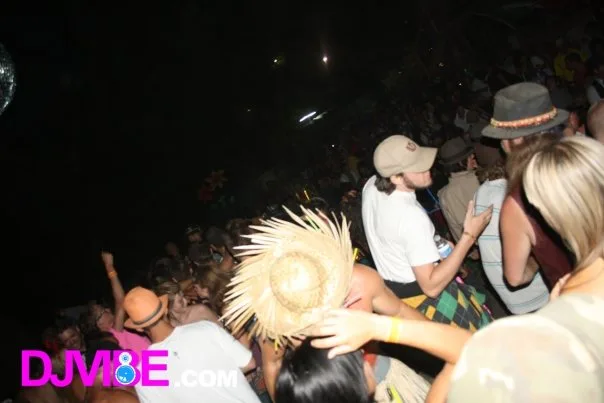
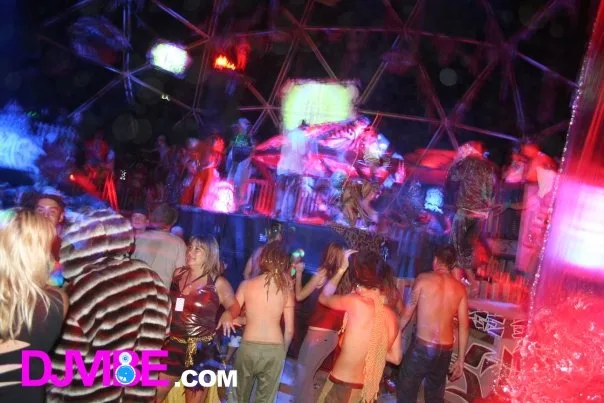
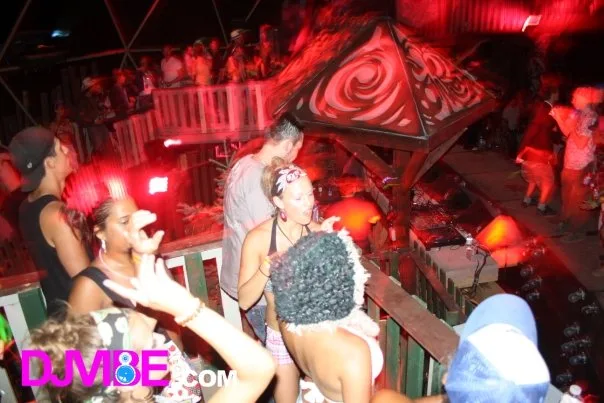
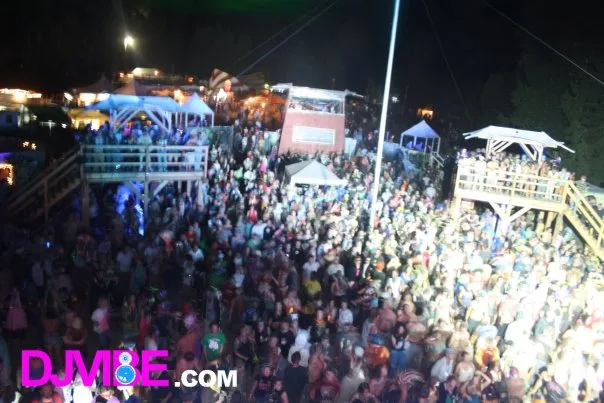
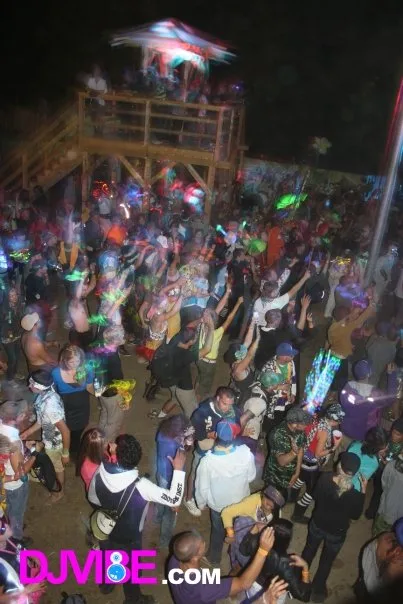
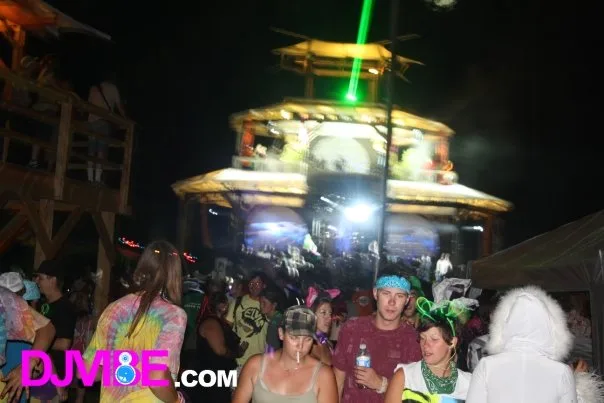
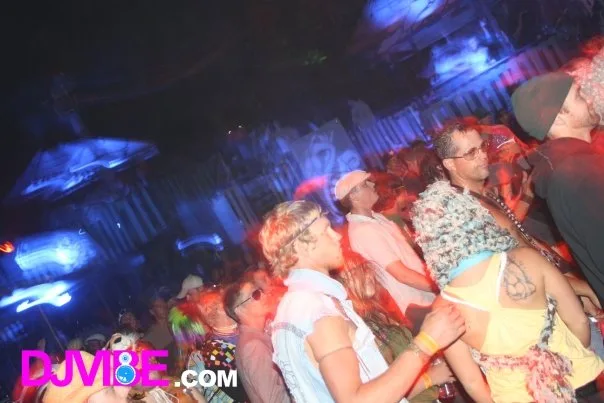
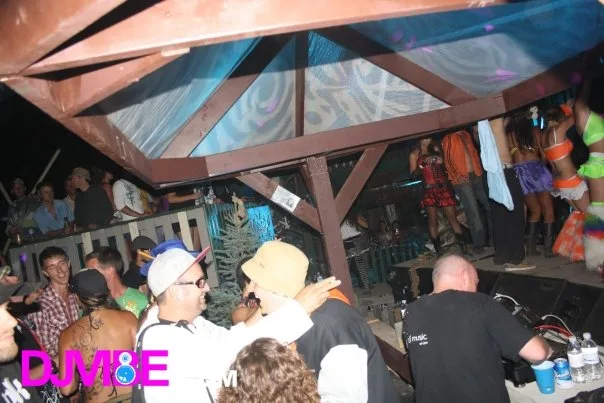
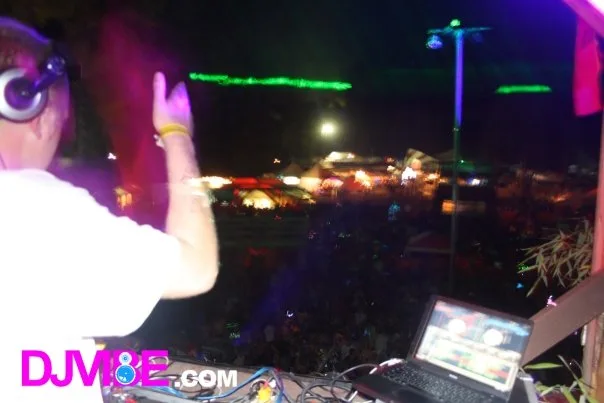
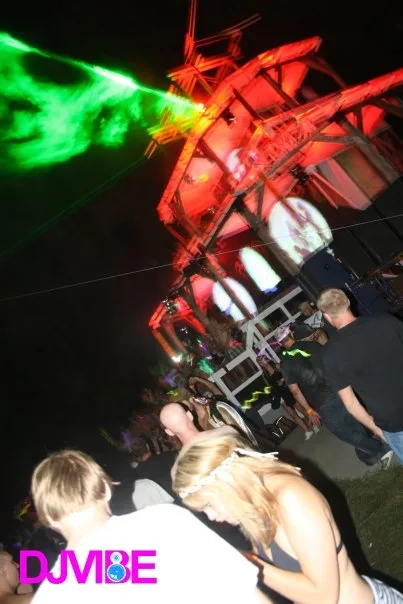
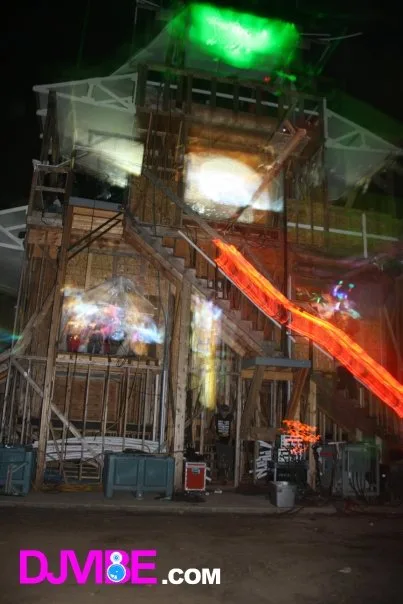
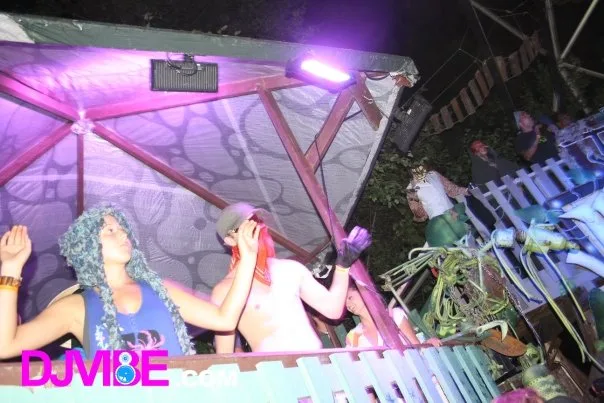
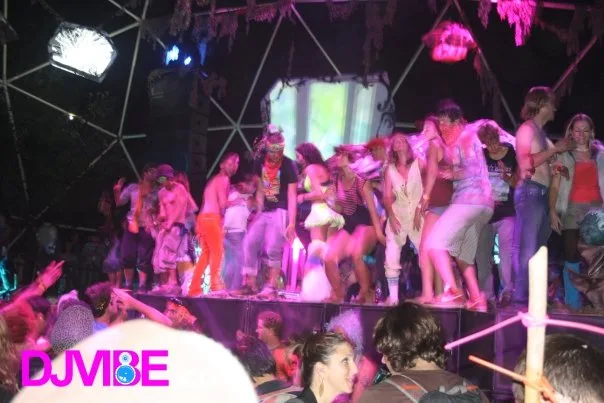
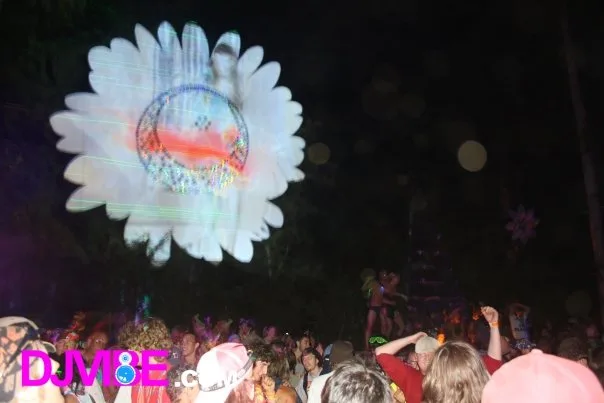
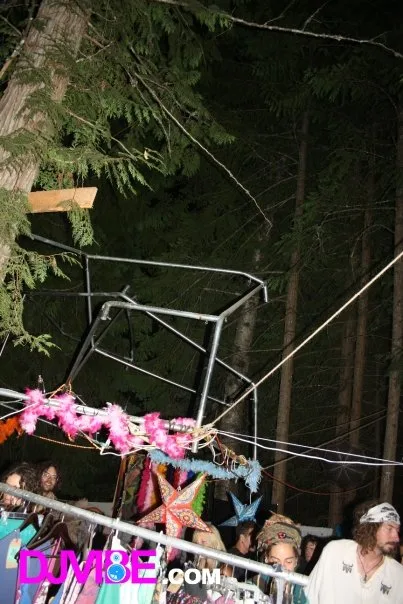
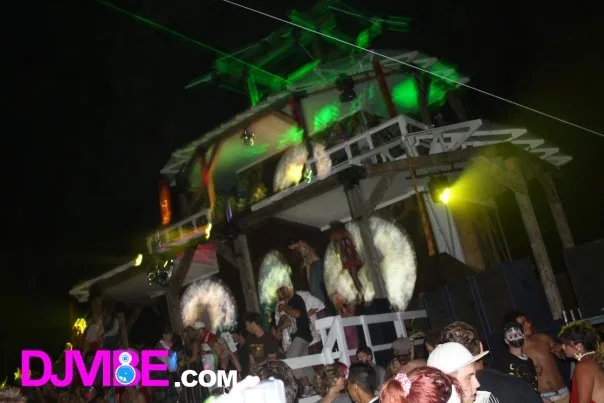
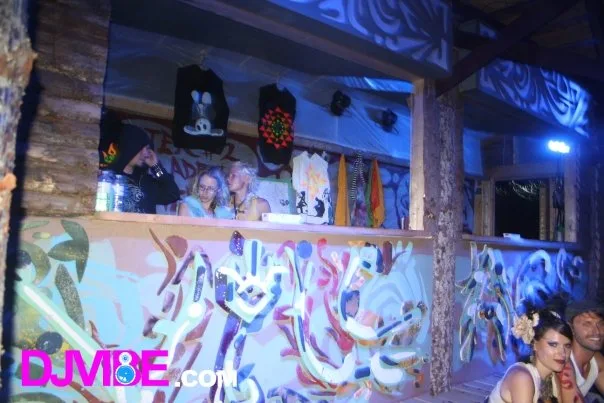
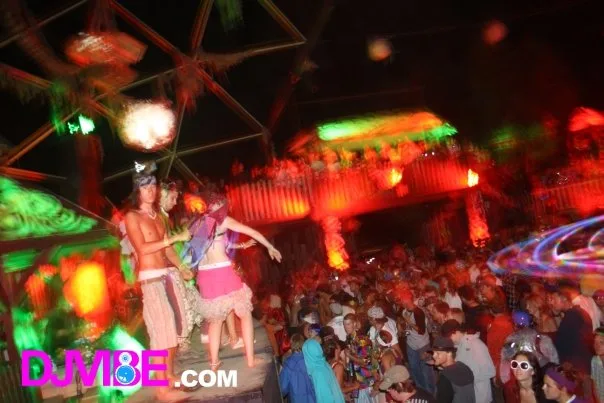
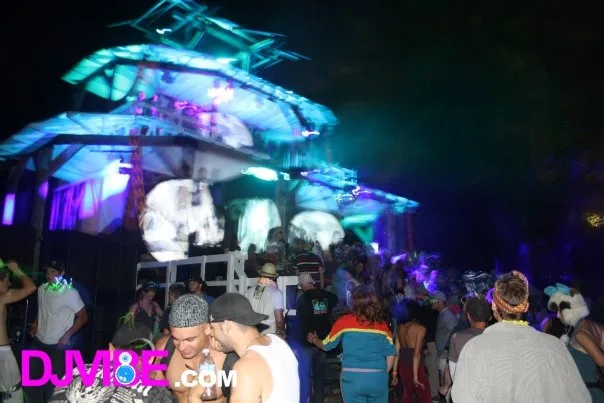
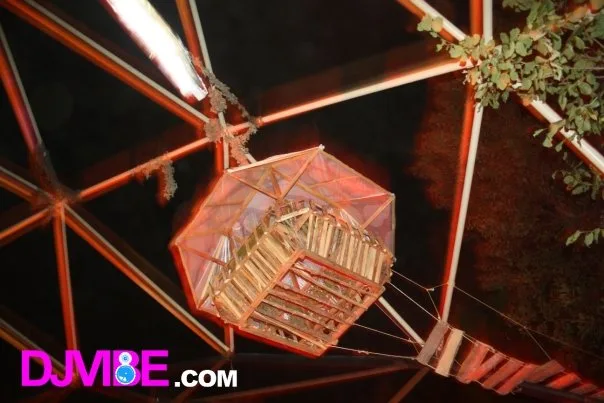
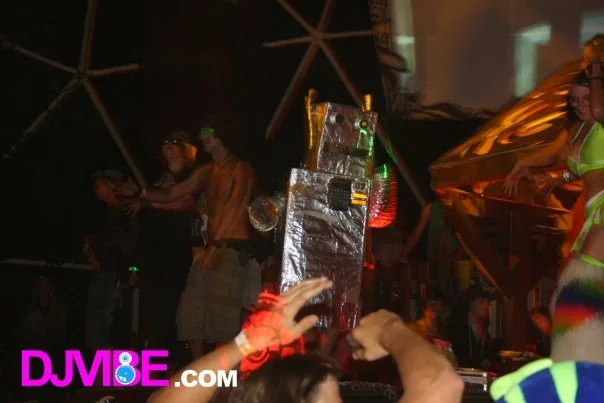
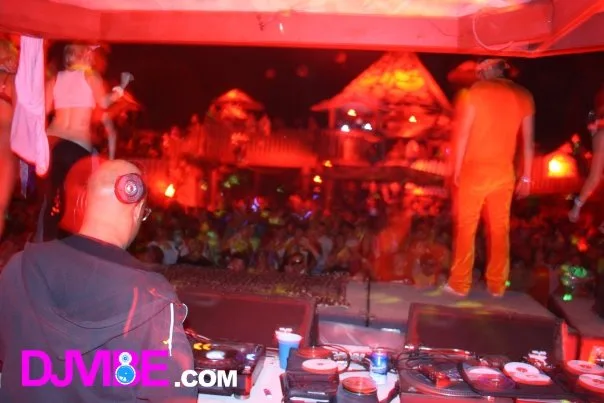
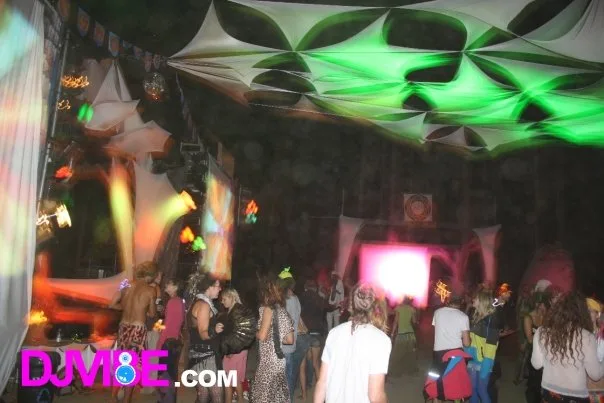
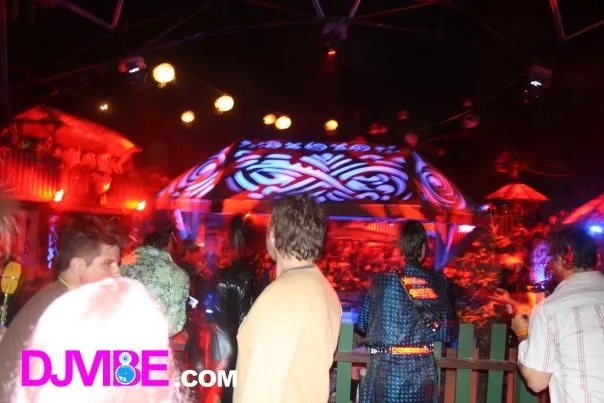
The Living Room holds down the festival's beach stage. The Village runs 200,000 watts of PK Sound through a structure built from tree forts, catwalks, and towering steel, and its bass-heavy, tribal-leaning programming has hosted sets from Bassnectar, Datsik, and Excision over the years. The Pagoda rebuilt its structure in 2017 into a video-mapping showcase, pairing electro and bass headliners with some of the festival's most ambitious visual production.
The farm, the river, and the Farmily
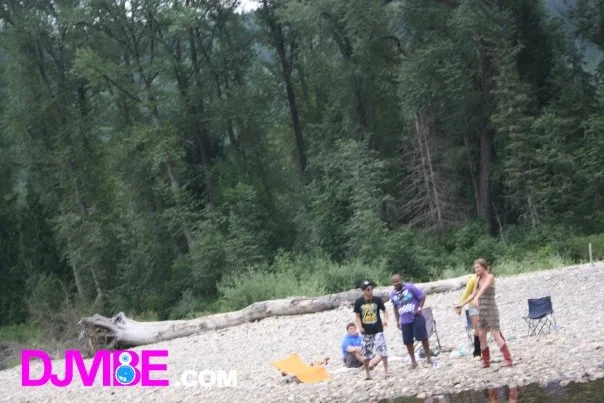
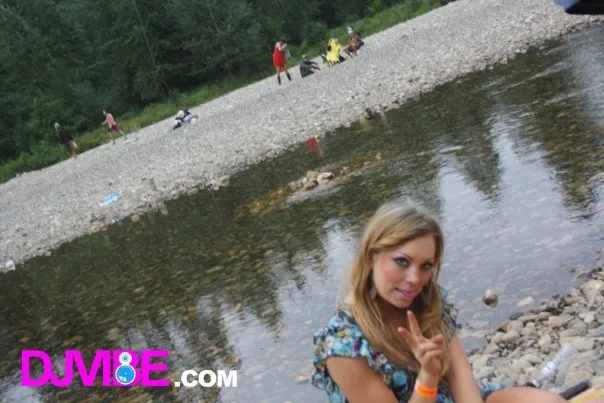
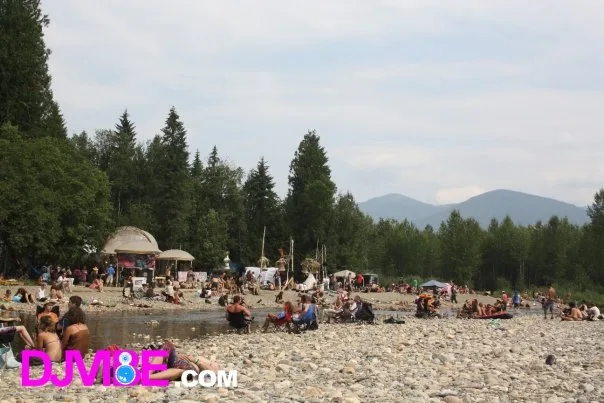
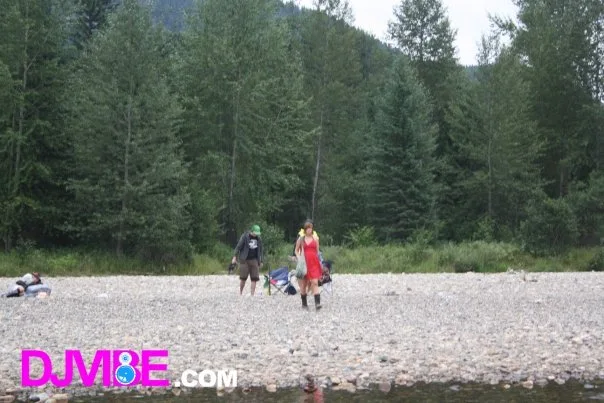
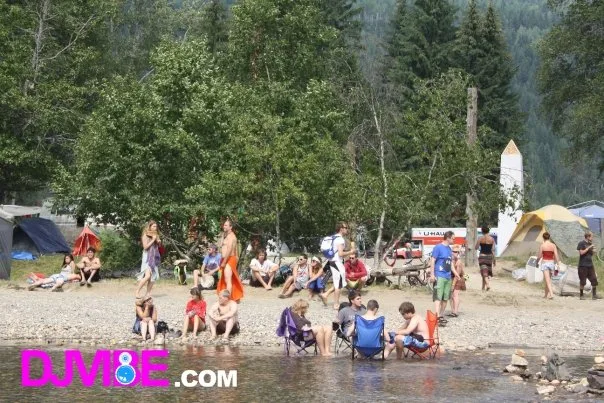
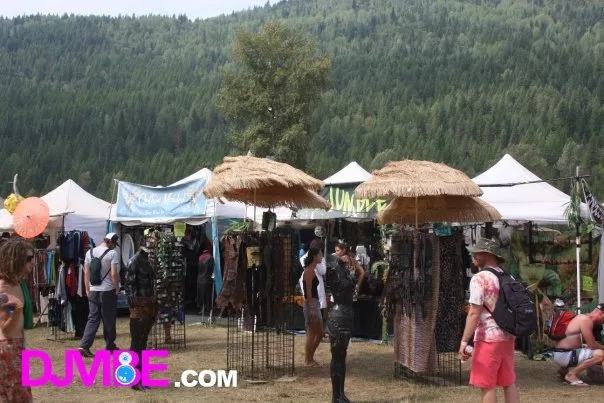
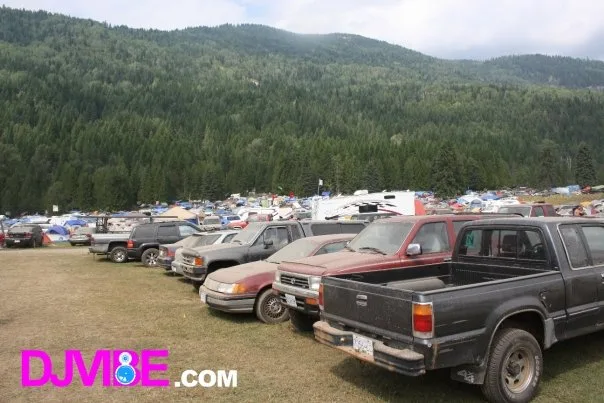
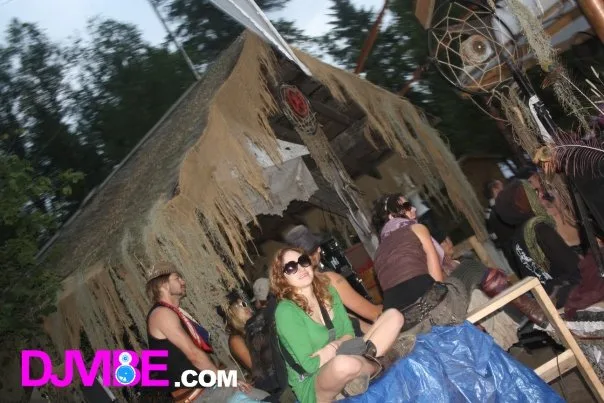
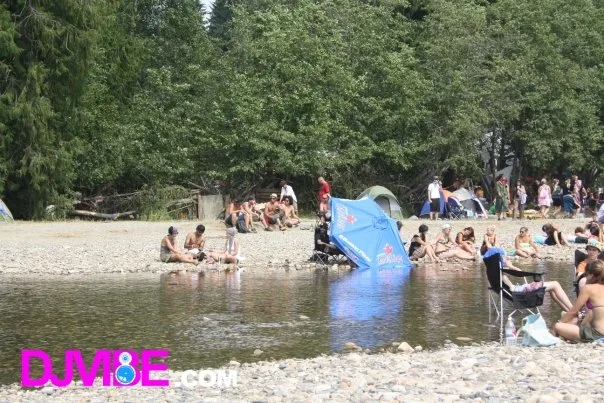
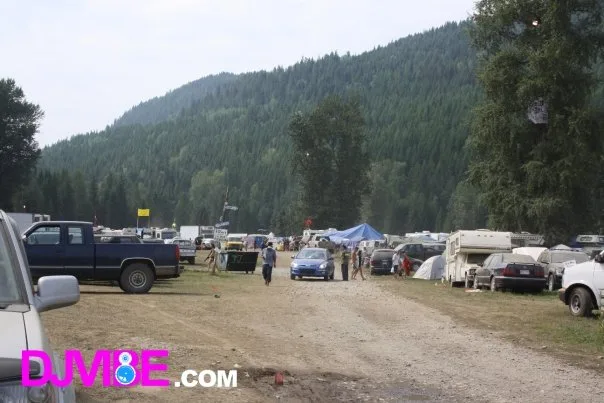
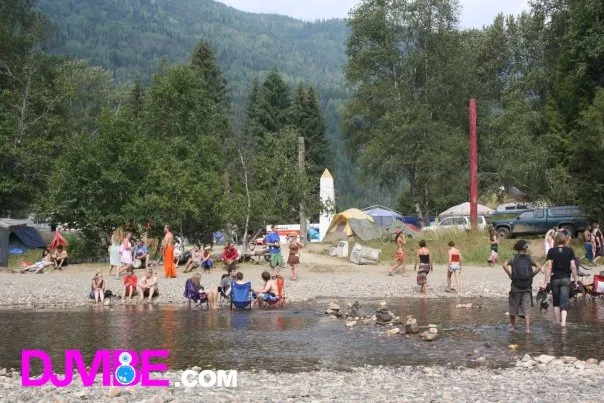
Between sets, Salmo River Ranch is still a working farm, home to cows, horses, pigs, chickens, and miniature donkeys once the festival breaks down. The Salmo River itself is part of the culture, not just scenery: a dedicated swimming and cooling-off spot for a crowd dancing through July heat.
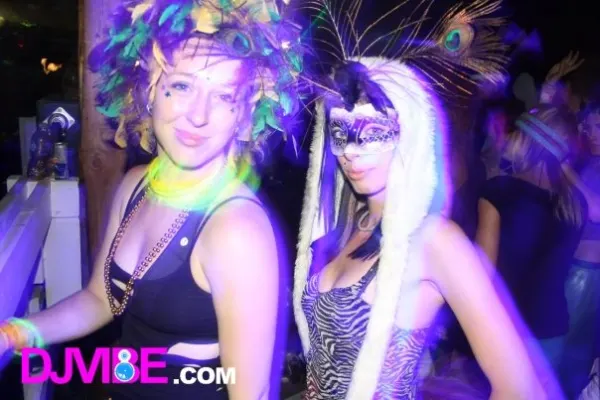
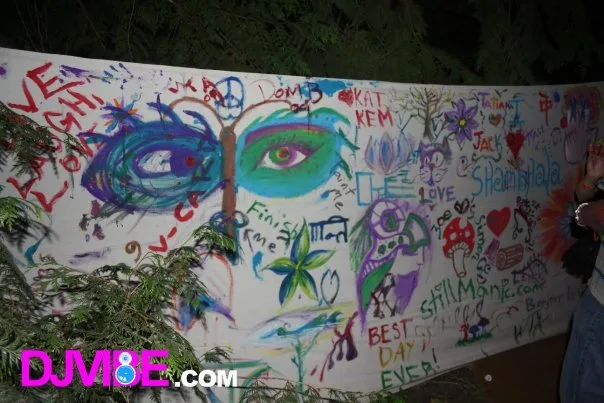
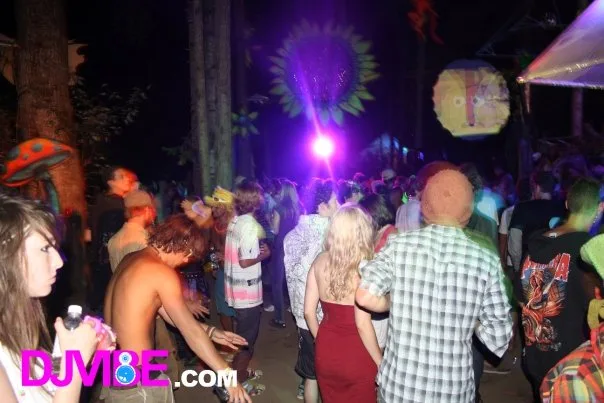
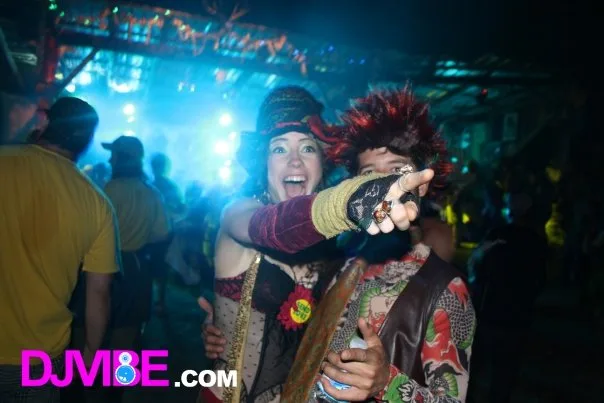
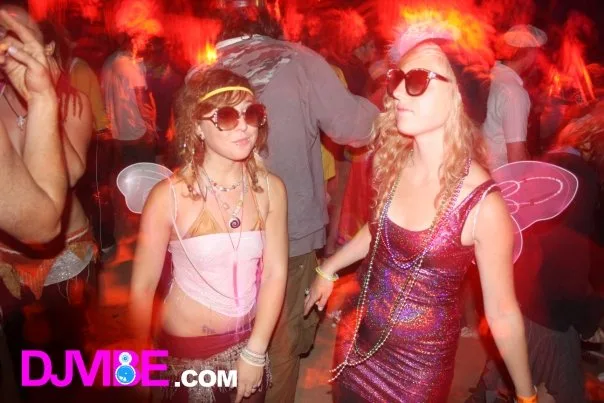
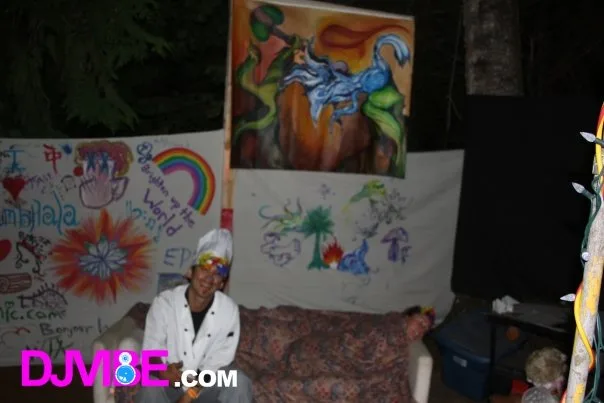
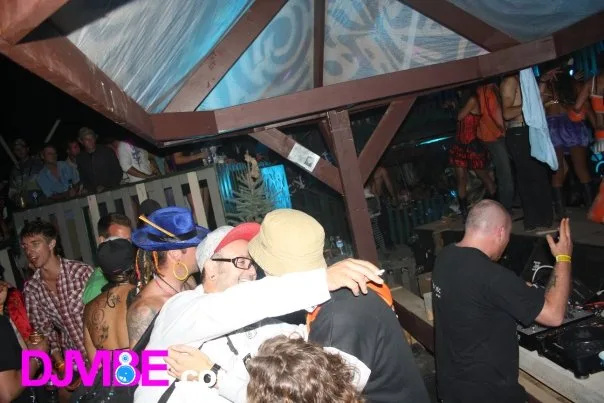
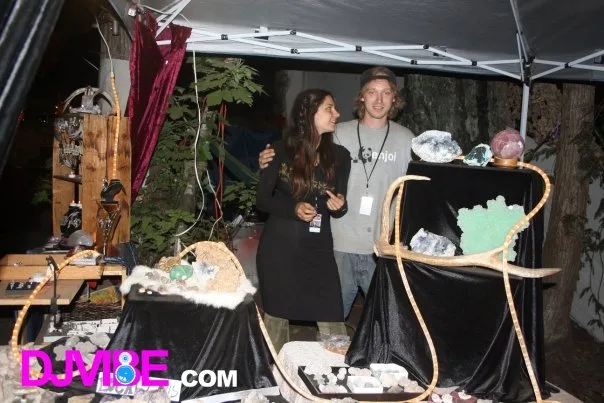
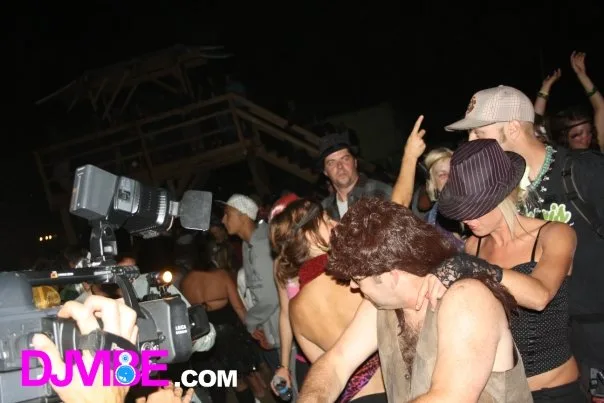
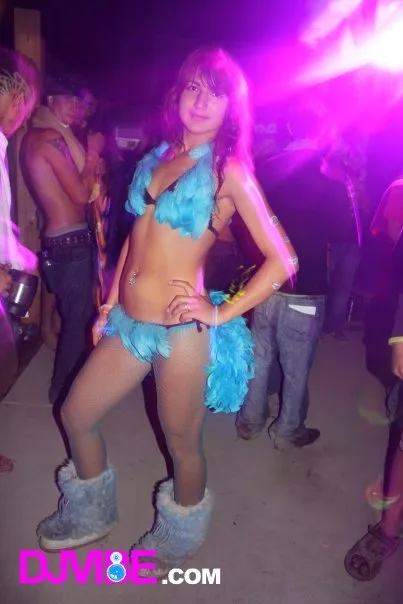
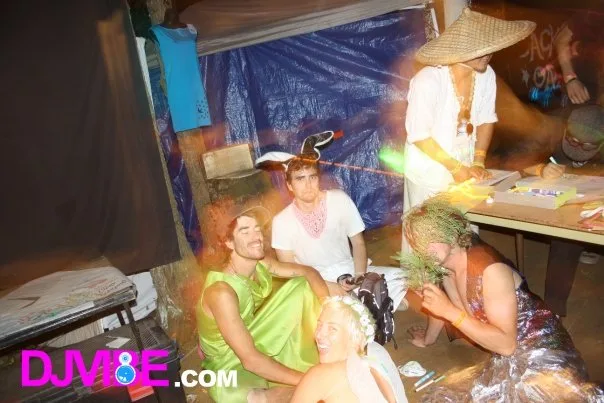
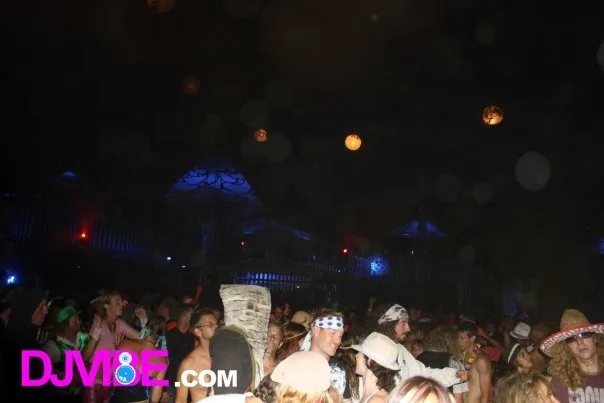
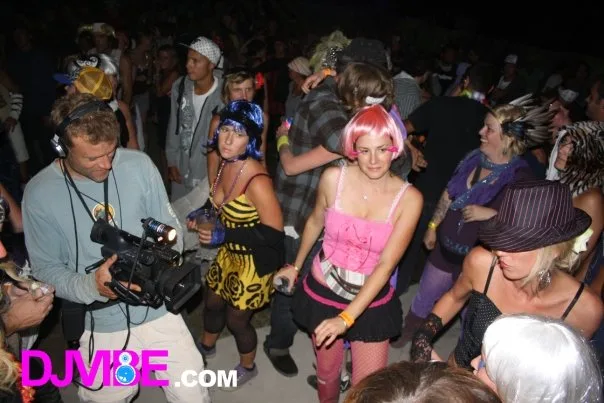
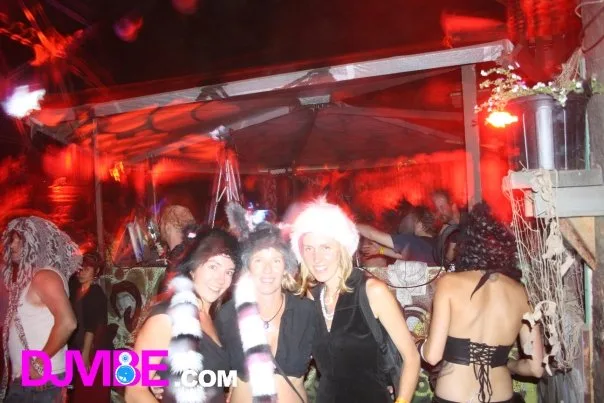
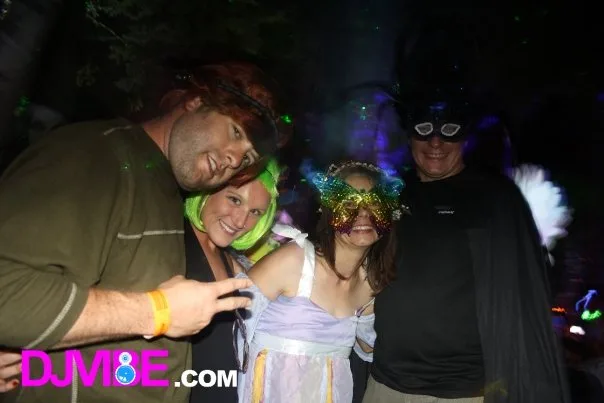
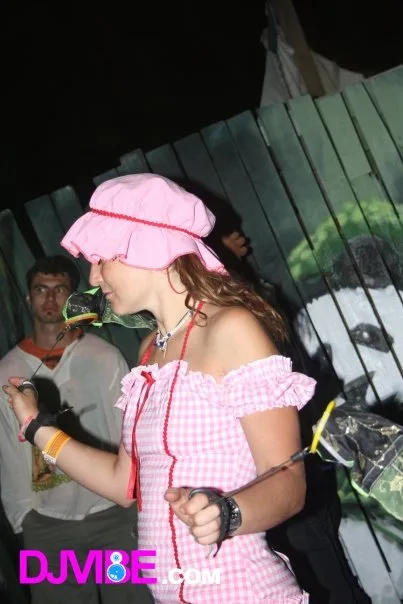
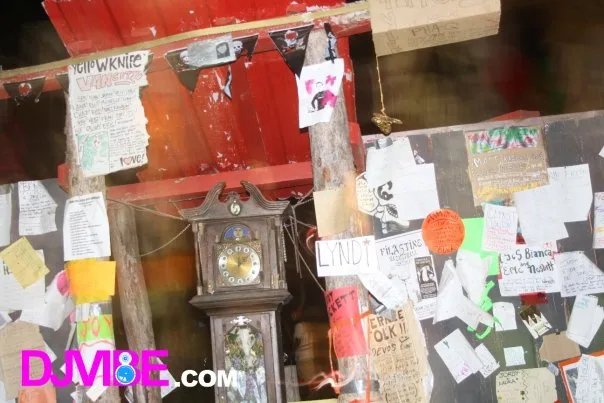
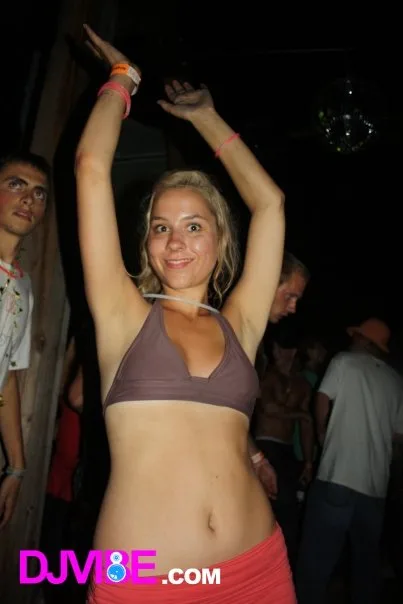
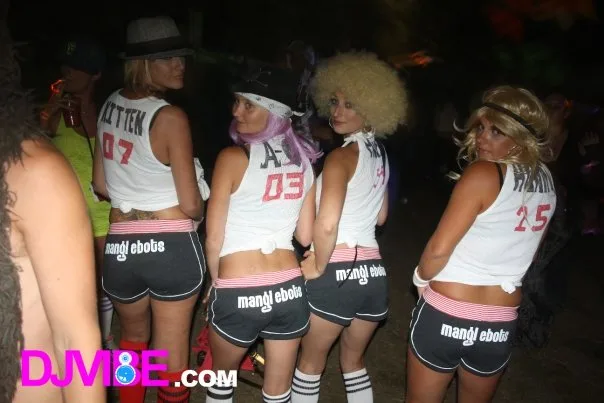
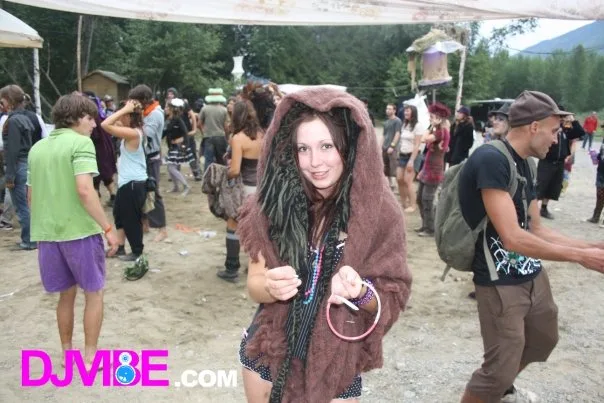
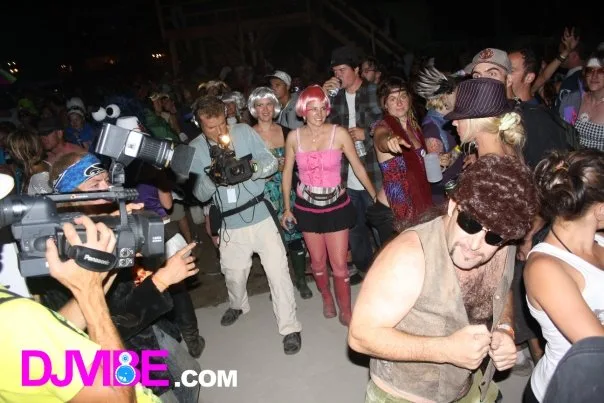
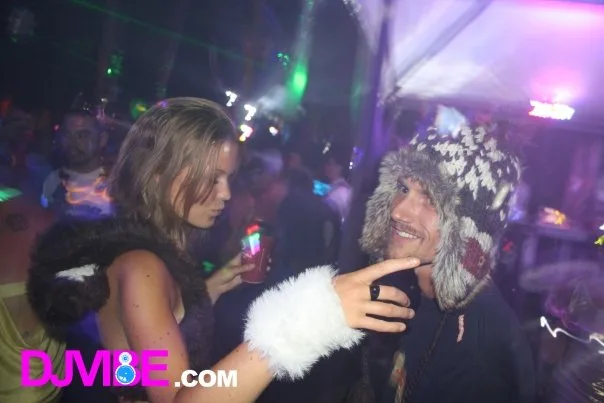
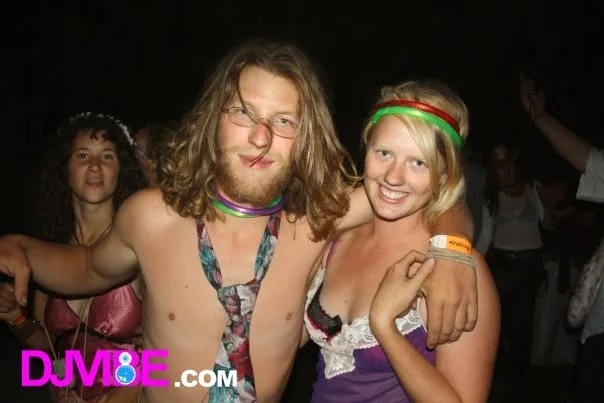
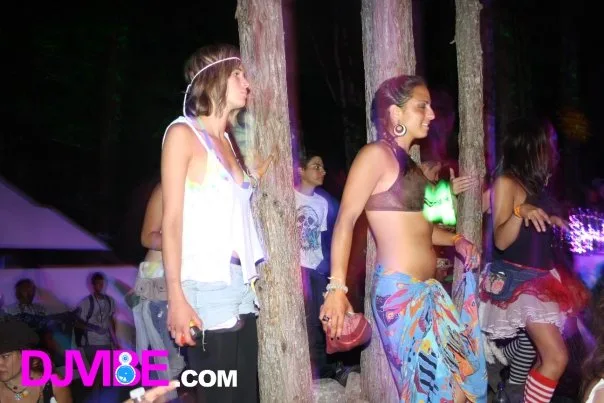
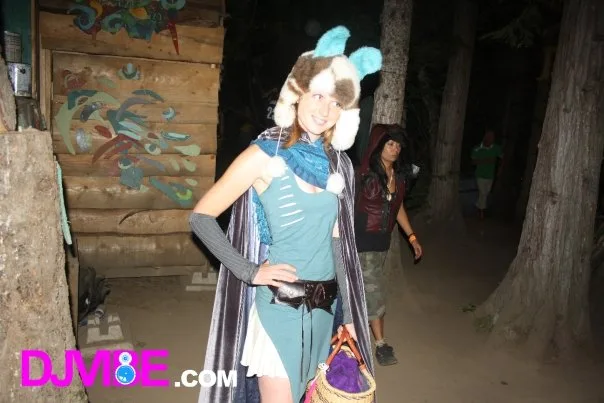
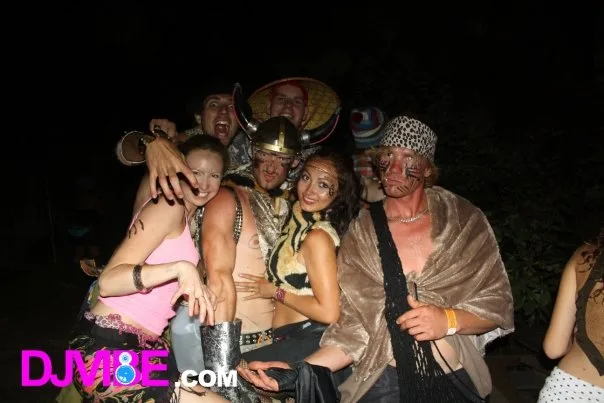
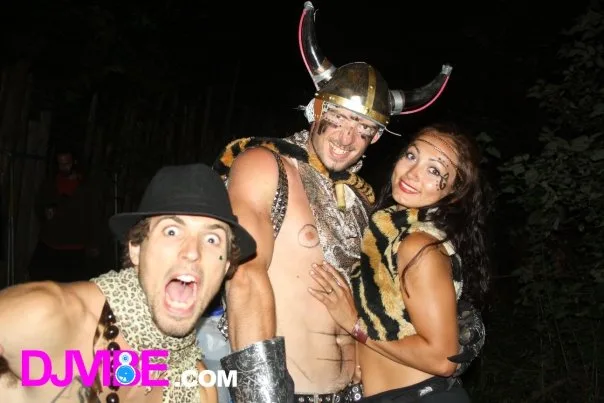
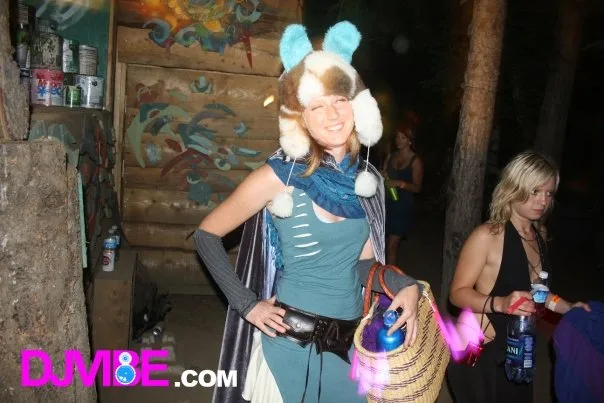
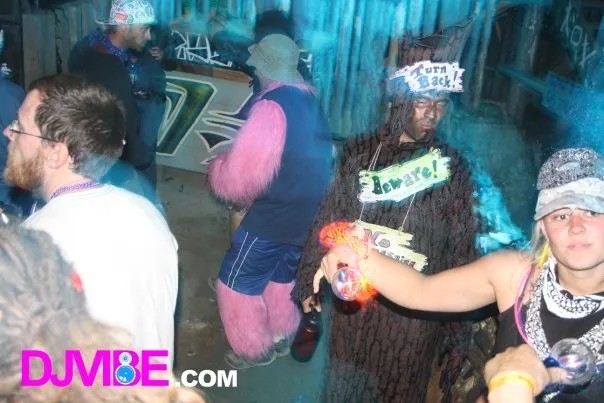
The community built around all of this runs deeper than any single stage. Farmily members get married at an on-site Wedding Chapel, stretch out at daily yoga and breathwork sessions, dance through a Pride Parade, and leave notes on the Wishing Tree, a standing fixture where people write down what they're grateful for.
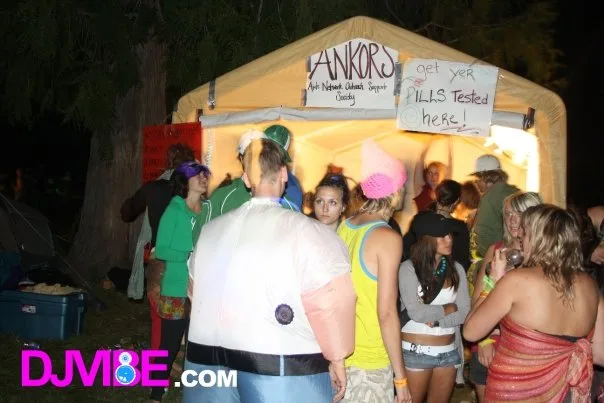
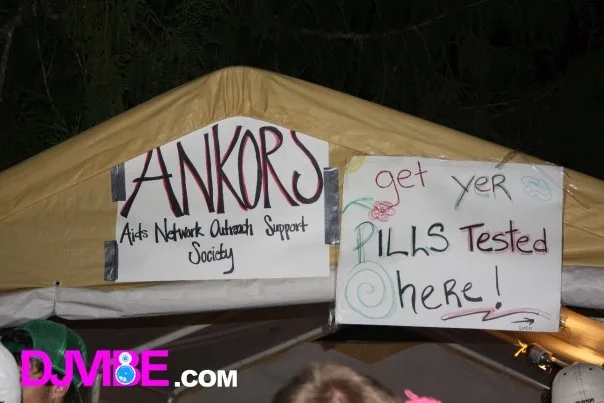
Shambhala has built its reputation as much on how it takes care of people as on the music. The festival runs one of the most established harm reduction programs at any North American festival, with on-site drug checking, a full medical team, and dedicated safe spaces. The site sits on the unceded traditional territory of the Syilx, Sinixt, and Ktunaxa Nations, a relationship the festival acknowledges directly rather than as a footnote.
Recognition, and the year the fire got close
In 2019, DJ Mag named Shambhala the Best Music Festival in North America, ahead of festivals with budgets and sponsorship deals Shambhala has never touched. It backed up an earlier run of Breakspoll International Breakbeat Awards wins for Best Large Event in 2011 and 2012.
The closest the festival has come to real danger arrived in August 2017, when the McCormick Creek wildfire burned within about nine kilometres of the site. There was no direct threat to the grounds, but organizers ended the weekend a day early under an evacuation alert rather than take the risk. The early closure cost an estimated $500,000 in lost revenue, a price organizers accepted for the safety-first instinct the festival has built its name on.