
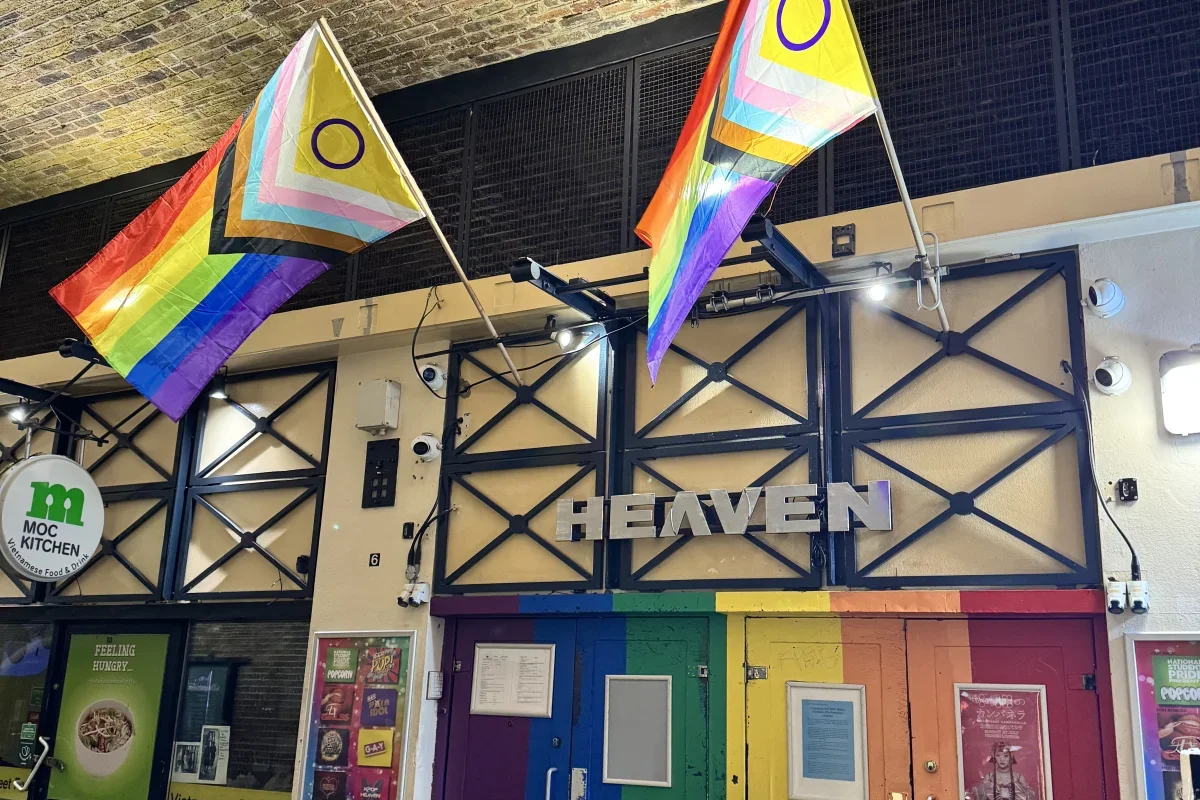
Heaven's latest protection matters because it is specific, not magical.
DJ Mag reported on 1 October that London's Heaven nightclub had been granted protected status against redevelopment. The Night Time Industries Association says it nominated the club for renewed Asset of Community Value recognition, and welcomed Westminster City Council's decision to list it. For a room tied so tightly to LGBTQ+ nightlife, that is more than a nice plaque on the wall.
The useful part is also the limited part. Under Westminster's own guidance, an ACV listing lasts five years. If the owner wants to sell a listed asset, the owner has to notify the council. A community group can then trigger a moratorium of up to six months, creating time to prepare a bid. The listing can also carry weight in planning decisions.
What it does not do is just as important. ACV status does not force an owner to sell to the community. It does not freeze a venue's use forever. It does not, by itself, block redevelopment.
The Room Becomes Evidence
For nightlife, that limit is the lesson. A club cannot win a property fight on memory alone, but memory can become procedure: a nomination, a council listing, a clock that starts before a sale, a planning argument that has to be heard.
That puts Heaven in the same infrastructure conversation as UK business-rates pressure, Music Venue Trust's grassroots funding work and the Sub Focus ticket-levy pitch. Dance music keeps learning that culture needs paperwork as well as crowds.
None of that makes Heaven safe forever. It gives the venue's supporters time, notice and leverage, which are not romantic words for a dancefloor. They are still the difference between finding out after the deal and having a chance to move before the lights come on.