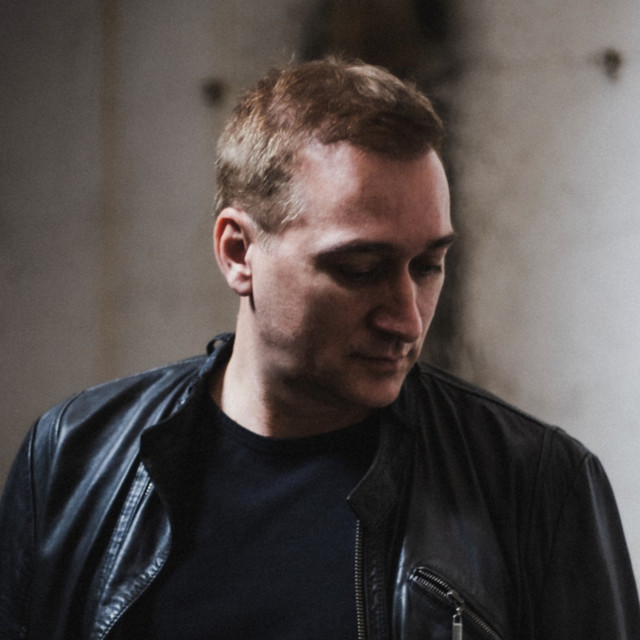
 DJ Diego Ro-K has a most impressive CV. He was a large force in bringing underground music to South America, has brought iconic DJs down south even before they were big in their home countries, has opened and played alongside brilliant minds (i.e. Kraftwerk), was the first Cream resident in South America and is currently Ministry of Sounds resident. To date there are five people that have tattooed his name on themselves.
How many years have you been spinning?
Its been eighteen years.
Have you tired of the DJ lifestyle?
No. Not yet. I think I have the same passion to keep on working. I feel that I have the sufficient amount of energy to keep me going, Im not tired yet.
Always touring and being inside of clubs doesnt bother you?
Well, Ive had many opportunities to leave Argentina and I havent, Ill travel when it is necessary, maybe Ill leave four or five times a year but my residency is in Argentina I dont deprive myself from traveling but I dont demand it of myself either. I travel quite a bit throughout the interior of Argentina and to places close to its borders.
You truly were part of the vanguard, the force that brought electronic music to Argentina.
I started playing danceable electronic music when danceable electronic music first came out. Already in the 80s we were playing this music in the small clubs, receiving all sorts of criticisms but, well, we liked this stuff and with time it became accepted. After awhile it became global and I think we are considered to be the ones that brought this music to Argentina, and in large part, to South America, too. Buenos Aires still is the most important city for electronic music in South America.
How did you first hear electronic music?
I have an older sister who had a bunch of music that was mixed on cassette tapes. It was disco music - this was in the 70s - mixed with punk. I started listening to those tapes and then I started purchasing records of that style. In the 80s I was also listening to a lot of rock n roll, a lot of rockabilly, a lot of new wave, punk, and the like. One of the songs had an industrial/techno sound and that was the beginning of house, techno.
Have you succeeded meeting all your goals as a DJ?
I dont know I do think there are certain goals I proposed to myself and attained and those make me feel very satisfied. Playing for Cocoon for example, the Germans, Ministry of Sound, Cream, working in Ibiza in the most important clubs things like that. As well, Ive traveled all around the world it all makes me feel quite good.
According to your website, you were the first Cream resident in Argentina. Can you tell me how that went?
I was working in Punta del Este each summer, in general, the clubs in Buenos Aires close down and move shop to Punta del Este, Uruguay... Well, one summer some stories started regarding this beautiful place in Uruguay called Punta del Este. The stories intrigued some English people enough to come down and take a look. The first English to travel there were the producers. So, one summer I was working and there were some producers from Cream, and, well, they saw me, they saw Hernn Cattaneo another DJ that was spinning - they wanted us to work for Cream, and, well, a few days later we came here to Ibiza to play in Amnesia. It was Hernn, Sasha, and I that was in 1998. As well, that year I did some Cream parties in Buenos Aires, with Paul Oakenfold and Deep Dish and others. Later, though, I stopped working for Cream due to a problem with my contract. I didnt want to sign a contract that Cream had proposed to me. As well, though, I didnt identify anymore with Cream I feel much more comfortable playing for a label such as Cocoon.
Do you see yourself doing this for much longer?
For much longer no; surely five more years, though as a DJ. Then there are thousands of routes I could take - record labels, radio programs, producer especially in Argentina.
In your eighteen years as DJ what changes have you experienced that have affected you the most?
The biggest change is the number of people, now there are more people. The spirit has always been maintained the same. There has been a change in trends due to the invasion of the English in terms of the progressive and trance music, etc. I think for that reason many people in Buenos Aires both joined and left the scene. However, there is always the possibility of maintaining the spirit that was started in the beginning of the scene.
Do you think DJs are respected?
Yes, well, in Europe being a DJ is considered a career The DJ has an important role. Earlier on the DJ was just another member of the club staff; there was the bartender, the doorman, the bouncer, the bathroom attendant and the DJ. Now the DJ has an important role and people now go to the club because of the DJ that has been a big change over time. Nowadays it doesnt matter what else the club offers, the people go for the DJ. As well there has been a change in pop music. The singers that do pop music look to DJs to remix their singles so they can be played for the dancefloor. Now the DJ is fundamental.
That is exactly what you did with Los Babasonicos.
Remixing pop music just recently has started becoming popular in Argentina. With Los Babasonicos thanks to Los Babasonicos a group with an open mind, modern, who on top, like electronic music; Ive known them for a long time, they used to come to dance to Morocco many years ago. There came a time when we decided to remix some songs. That is how come I remixed Los Calientes. As well I remixed Los Ratones Paranoicos They have a very popular song that I just remixed into tech-rock.
Argentina has been going through a very rough time these past few years. It seems that our generations have taken to the clubs to escape the drama
There is a lot of design, a lot of art at the moment. In that sense the things are going very well in Argentina.
Do you feel more responsible, as a DJ, now that people come to you and your music for solace?
Now with the crisis, incredibly, people come out at night much more. The clubs are filling to capacity. Perhaps the clubbers dont spend the same amount of money but the clubs are filling up with twice the amount of people it used to get The night that DJ Shambala, Gabin and I played (at Family Dance) there were 7,000 people, Deep Dish played at Big One and there were 3,000 people present there, and Palash playing at Pacha which had about 10,000 people there were about 10,000 clubbers out in La Costanera (neighbourhood) that night.
You put on a series of parties called Ro-K.com last summer in Argentina. How did they go?
Very well The parties in the summer were great. Vitalic played, they are a group signed on to International DeeJay Gigolo Records, that have put out quite a few hits - well, what I would regard as hits that Ive been playing for years. 100% Isis also played at these parties. She is a Dutch DJ who plays an incredible sort of tech house. I met her in Ibiza. There were some parties in Mar del Plata, some in Uruguay and Pinamar.
What do you think about the demise of the superclubs in the UK?
The problem is that the English expanded too much, too fast. They took the massive route, marketing very commercial music Always selling compilations, getting DJs on magazine covers people can like that music but it is not the type of music that stays. The English are great for marketing but they did too much of it and now most those labels and clubs have disappeared even the English DJs have less importance today. The three main global DJs are Tiesto, Paul Van Dyk and Armin Van Buuren two Dutch DJs and a German.
http://www.cocoon.net/